

Staging and Composition Techniques for Watch Photography
The Art of Watch Staging
Staging—dressing up a scene to create compelling visual narratives—transforms ordinary watch photographs into engaging stories. While technical lighting and camera settings establish the foundation, staging adds personality, context, and visual interest that distinguishes memorable images from snapshots.
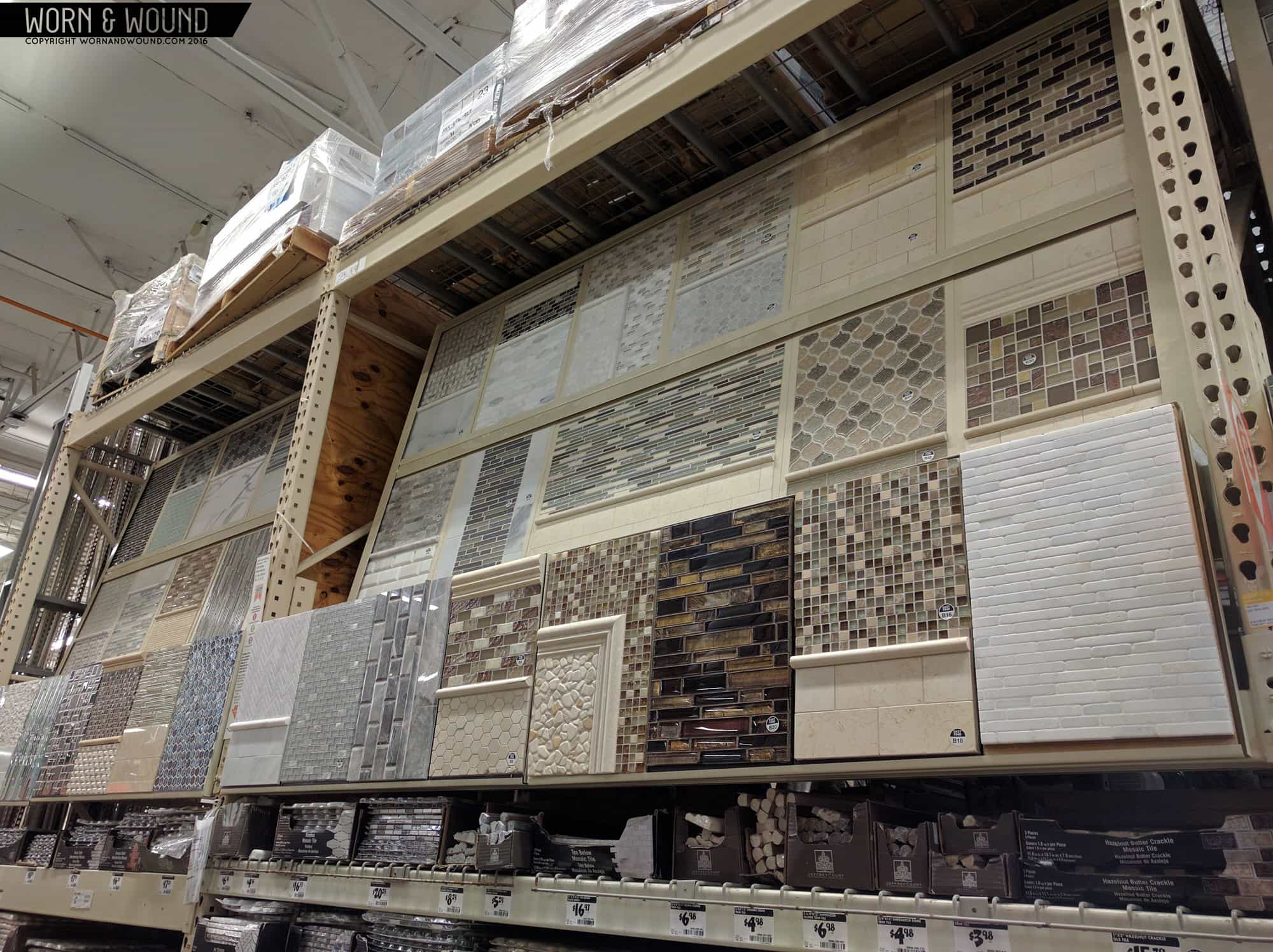
Background Materials: From Basic to Creative
The background sets the stage for your watch. Common options include:
| Material | Best For | Cost | Availability |
|---|---|---|---|
| White poster board | Product shots, online sales | $1-2 | Any store |
| Black poster board | Dramatic, luxury feel | $1-2 | Any store |
| Marble tiles | Elegant, high-end look | $5-10 | Hardware store |
| Wood flooring samples | Vintage, classic style | $5-15 | Hardware store |
| Textured paper rolls | Creative, artistic shots | $10-20 | Craft stores |
| Natural stone | Rugged, outdoor themes | Free-$10 | Garden centers |
Hardware stores offer excellent value with tile samples that provide marble, slate, and wood textures at minimal cost. Craft stores stock decorative paper rolls ideal for flat-lay compositions.
Creative Props and Techniques
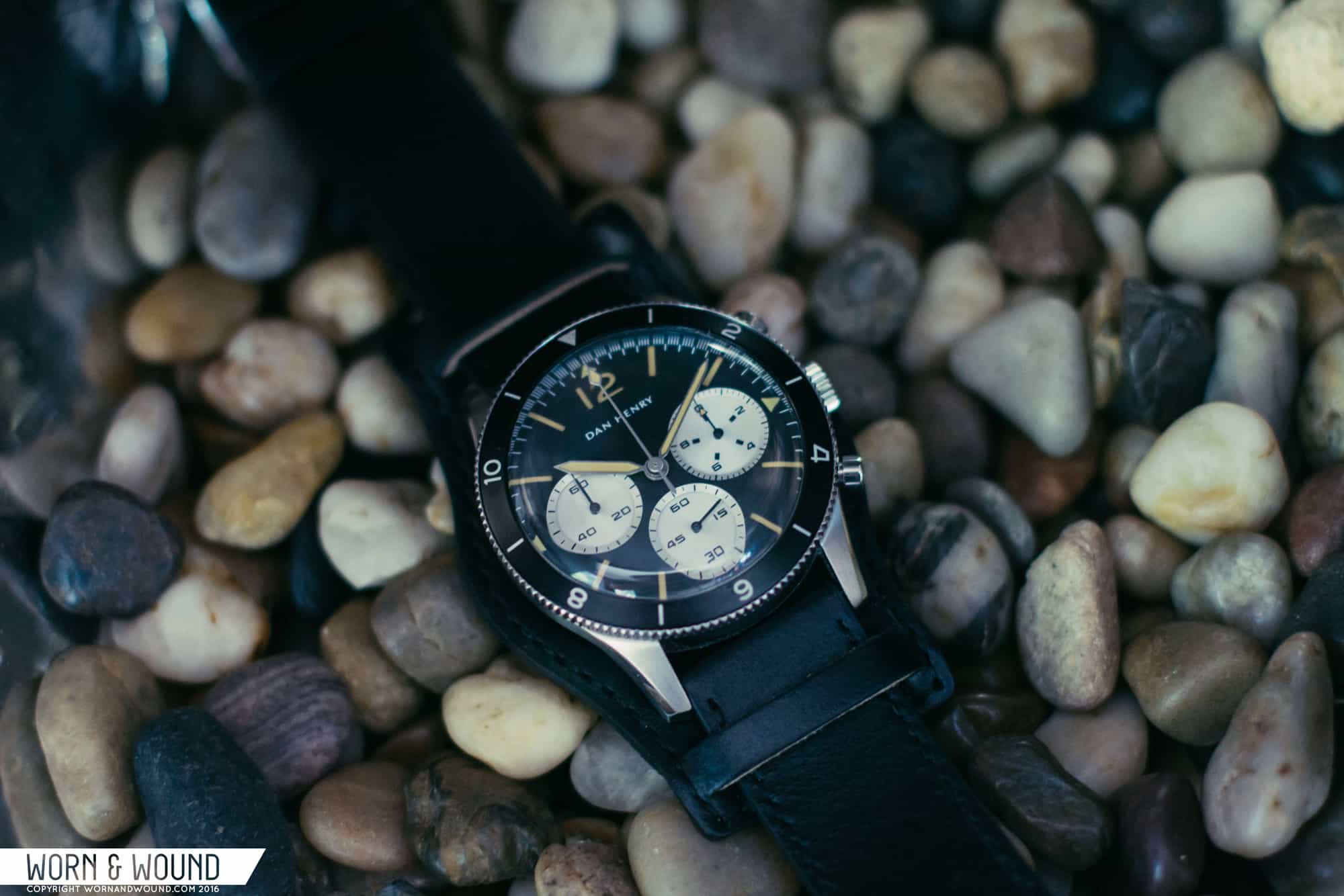
The Ice Bucket Method
Combine an ice bucket with garden stones to create sophisticated, multi-layered compositions. The reflective surfaces add depth while the natural elements provide visual contrast against polished metal watch cases.
The Glycerine Water Effect
Food stylists use glycerine to simulate water droplets on products. This technique works exceptionally well for dive watches, creating the appearance of condensation or water exposure without the risk of actual water damage. Glycerine forms stable droplets that dry slowly, allowing time for perfect composition and multiple exposures.
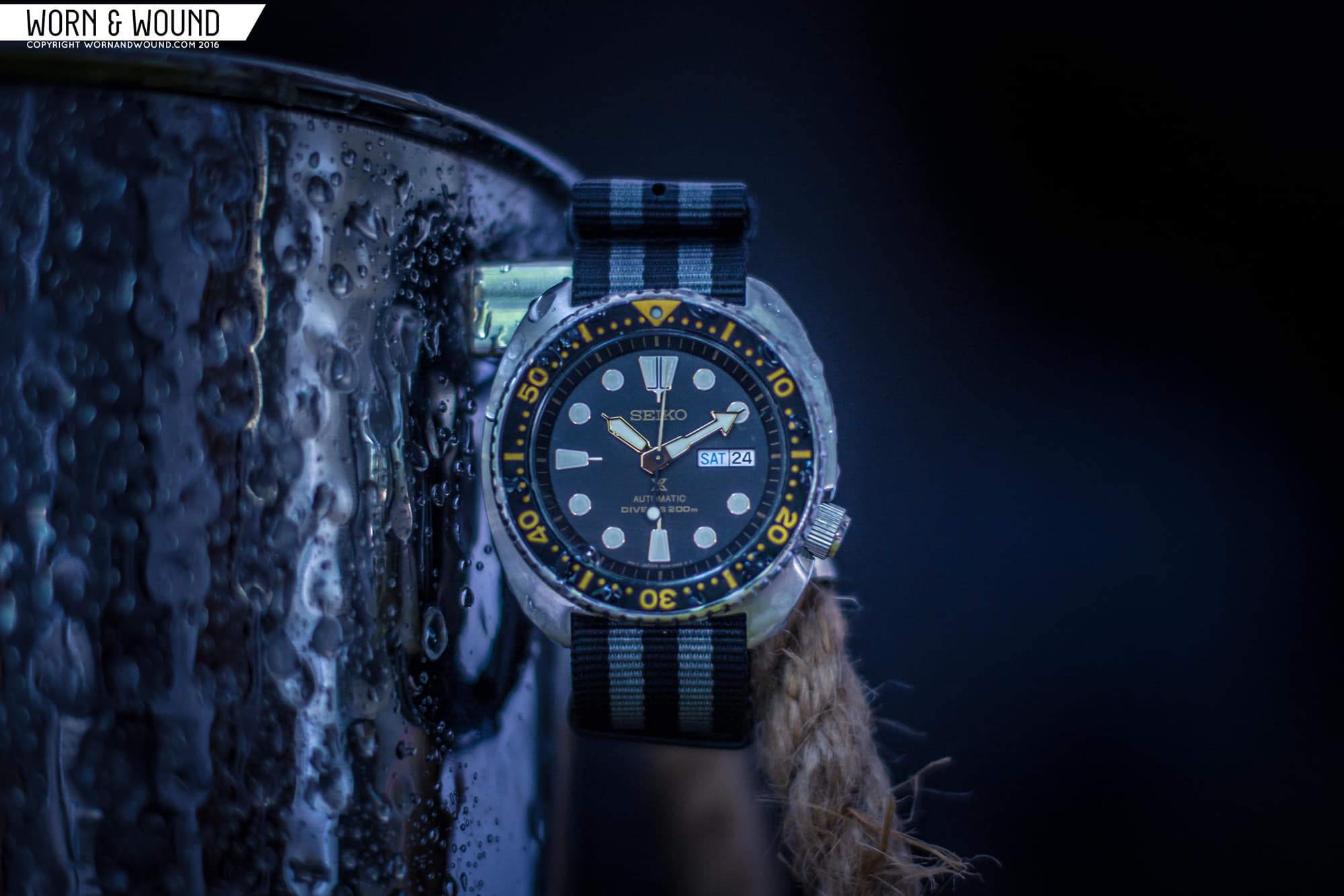
Practical Water Effects
For authentic water shots, controlled environments like bathtubs or sinks allow dramatic imagery. Using flash at 1/200th of a second freezes water motion while creating artistic bokeh from light reflections. This advanced technique combines multiple principles: high-speed shutter, flash synchronization, and controlled aperture for depth of field.
Flat-Lay Composition
Flat-lay photography—shooting directly from above—has become increasingly popular for social media. This style works particularly well with accessories like straps, tools, and lifestyle items arranged around the watch. Consistent spacing, balanced composition, and thoughtful color coordination create visually appealing arrangements.
Color Theory in Watch Photography
Consider how your watch's colors interact with backgrounds and props. Silver and steel watches pop against dark backgrounds, while rose gold warms up neutral tones. Vintage watches pair naturally with leather, wood, and aged paper, creating cohesive aesthetic narratives.
Lighting Your Staged Scenes
Once you've composed your scene, lighting becomes critical. Soft, directional light from the side creates subtle shadows that add depth and dimension. Avoid overhead lighting that flattens the scene and creates harsh reflections on metal surfaces. Natural window light combined with reflectors provides excellent results for staged compositions.
Frequently Asked Questions
What are the best backgrounds for watch photography?
White and black poster boards provide versatile, inexpensive options for most watch photography. For more creative shots, marble tiles from hardware stores offer elegant textures at minimal cost. The best background depends on your watch's style and the aesthetic you're trying to achieve.
How do I create water droplet effects safely?
Glycerine, available at pharmacies or online, creates stable water-like droplets without risking damage to your watch. Apply small drops with a dropper or cotton swab. For authentic water shots, work in controlled environments and never submerge non-water-resistant watches.
What props work well with watches?
Leather goods, vintage books, coffee cups, and lifestyle accessories complement watches without overwhelming them. The key is selecting props that match the watch's personality—a rugged tool watch pairs differently than a dress watch.
Source: Worn & Wound - Watch Photography 101: Part 2 - Depth of Field, Exposure, and Staging
Related: Basic Lighting Principles for Watch Photography, Overcoming Reflections and Glare