

Overcoming Reflections and Glare in Watch Photography
The Challenge of Watch Crystal Reflections
One of the most persistent challenges in watch photography is managing reflections and glare on crystal surfaces. Whether shooting sapphire, mineral, or acrylic crystals, their reflective properties can obscure dial details and create distracting hot spots. Understanding how to control these reflections is essential for producing clean, professional watch images.
Why Reflections Occur
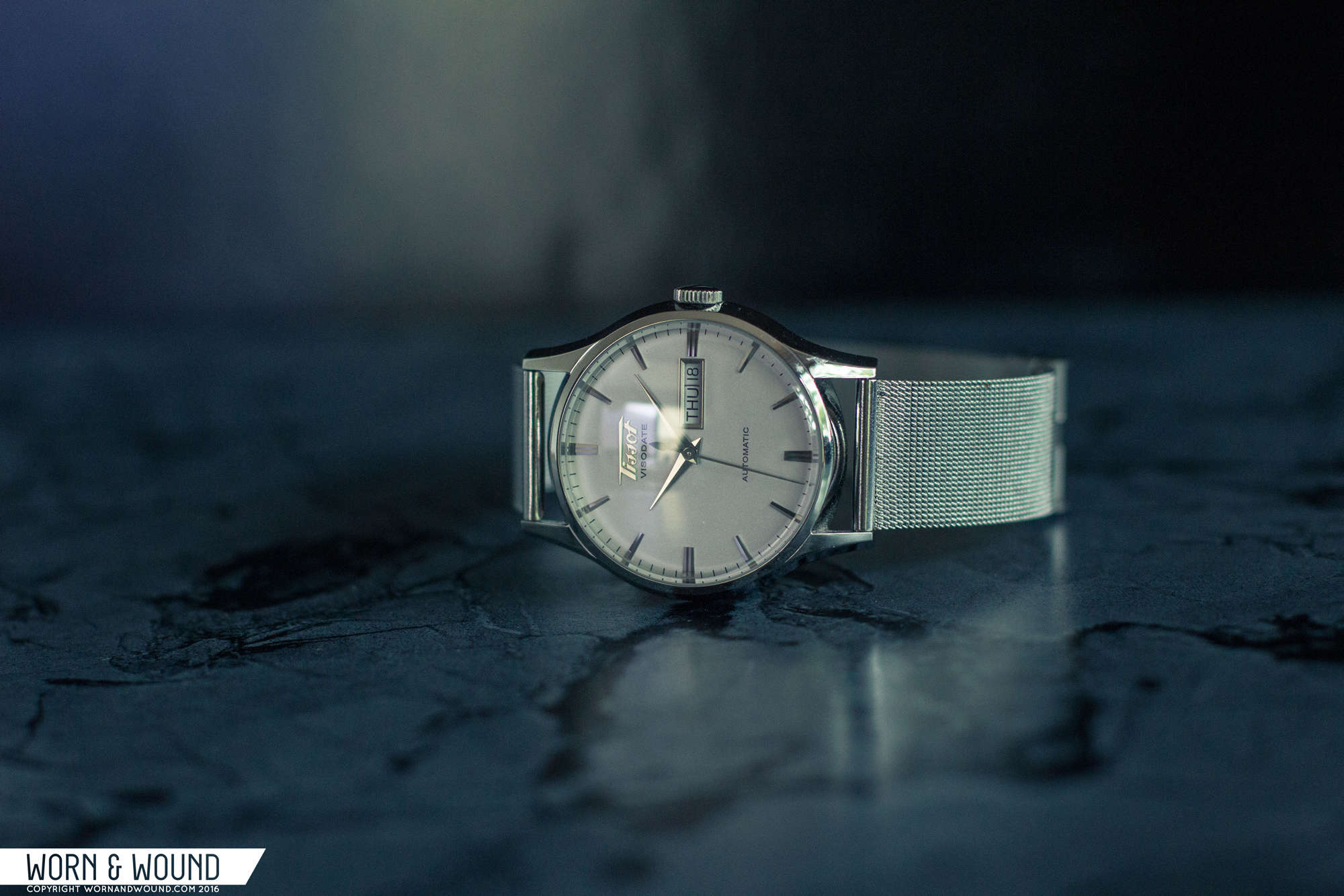
Watch crystals are designed to be transparent, but they inevitably reflect light from their surroundings. The angle of incidence equals the angle of reflection—meaning light bouncing off the crystal follows predictable paths. This creates both challenges and opportunities for photographers.
Five Proven Techniques to Reduce Glare
1. Adjust Your Shooting Angle
The simplest solution is shooting at an offset angle rather than directly above the watch. By positioning your camera at 30-45 degrees relative to the crystal, you can redirect reflections away from the lens. This technique requires no additional equipment and works in most lighting situations.
2. Use a Polarizing Filter
Polarizing filters are specifically designed to reduce reflections from non-metallic surfaces like glass and crystal. These filters rotate to block polarized light waves, effectively cutting glare while potentially enhancing dial colors. Circular polarizers (CPL) are compatible with most digital cameras and smartphones with clip-on attachments.
3. Create a Diffusion Screen
One of the most effective DIY solutions involves shooting through a piece of white paper with a cutout for your camera lens. This technique diffuses incoming light before it reaches the crystal, preventing harsh reflections while maintaining adequate illumination.
4. Control Your Light Sources
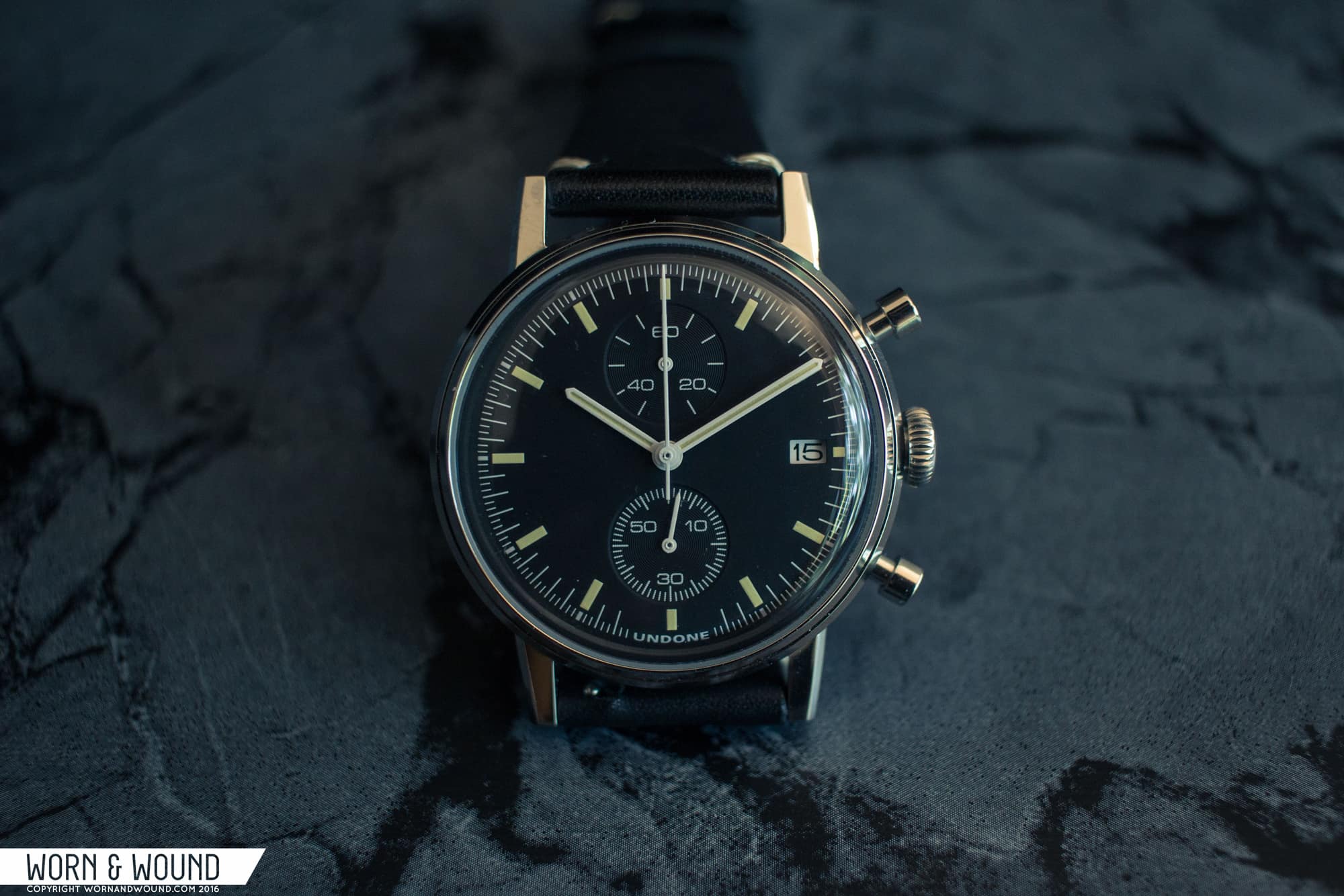
Reflections are directly proportional to light intensity and position. By using softer, more diffuse light sources positioned at angles rather than directly overhead, you can minimize harsh reflections. Light boxes with internal diffusion panels provide excellent control over lighting angles.
5. Build a Reflection Control Rig
For consistent results, consider constructing a simple reflection control rig using cardboard presentation boards available at art supply or dollar stores. This setup creates a controlled environment where you can precisely manage light angles and intensity.
Color Considerations
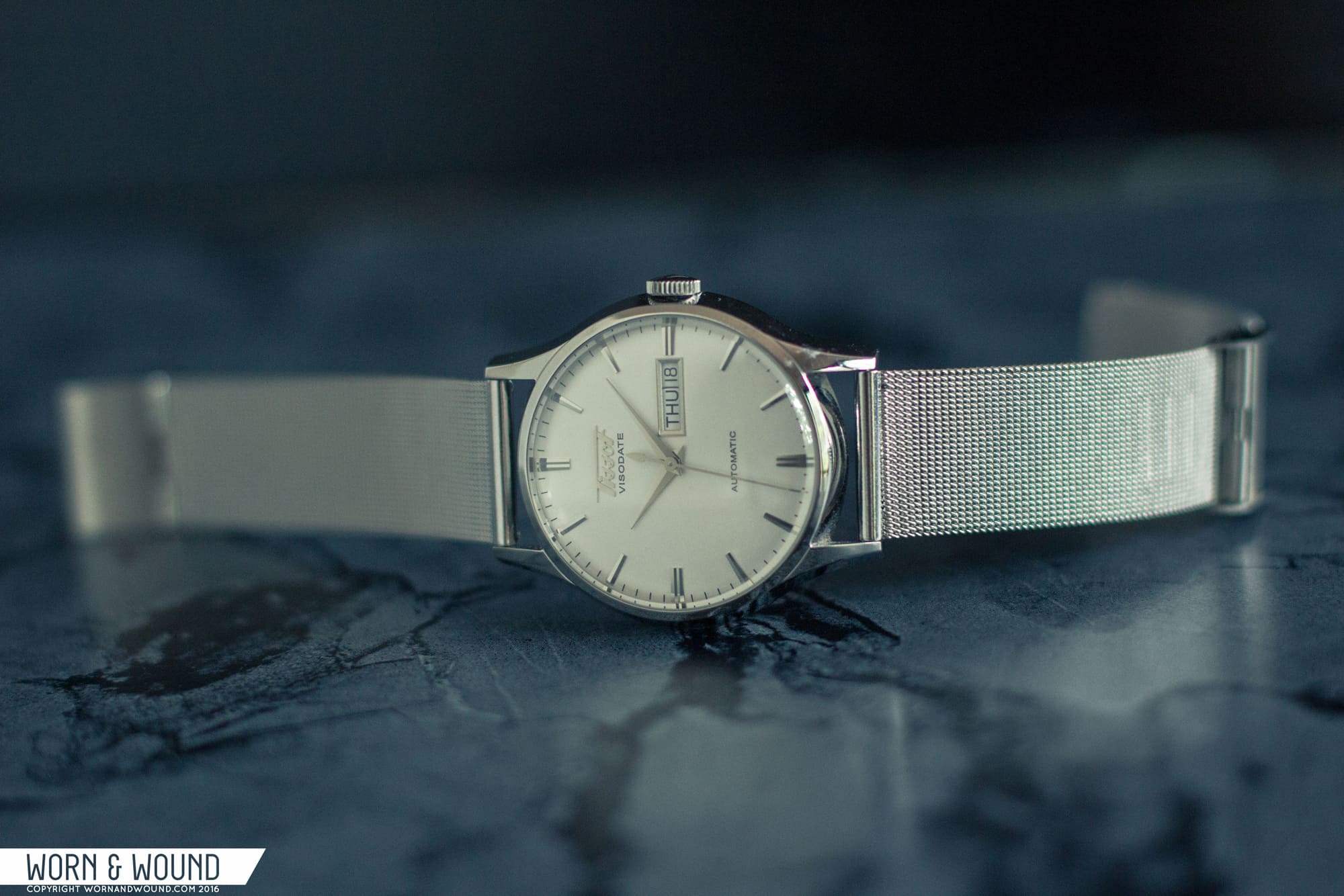
Different crystal types interact with light differently. Domed crystals create more complex reflection patterns than flat crystals. Anti-reflective (AR) coated crystals, common on higher-end watches, reduce reflections but can produce characteristic purple or green tints when photographed at certain angles.
When Reflections Add Value
Not all reflections are unwanted. Subtle, controlled reflections can add depth and realism to watch photography. The key is intentionality—controlling where and how reflections appear rather than eliminating them entirely.
Post-Production Considerations
While it's always better to capture clean images in-camera, minor reflection issues can sometimes be addressed in post-production. Clone stamp tools and healing brushes can remove distracting reflections, though this requires time and skill. Always aim to get it right in-camera first.
Frequently Asked Questions
Can I remove reflections in post-production?
Minor reflections can be reduced using clone stamp and healing brush tools in software like Adobe Photoshop or Lightroom. However, severe blown highlights cannot be recovered, so it's always better to capture clean images initially.
Do anti-reflective coatings affect photography?
AR coatings reduce reflections significantly, making watch photography easier. However, they can produce purple or green tints when photographed at certain angles, which may require white balance adjustment in post-production.
What's the best angle to photograph a watch?
A 30-45 degree angle relative to the crystal surface typically provides the best balance between dial visibility and reflection control. This angle redirects most reflections away from the camera lens while maintaining clear views of the dial details.
Source: Worn & Wound - Watch Photography 101: Part 2
Related: Basic Lighting Principles for Watch Photography, Essential Watch Photography Equipment