

Basic Lighting Principles for Watch Photography: A Comprehensive Guide
Why Lighting Matters in Watch Photography
Watch photography is a challenging yet rewarding aspect of horological documentation. Whether you're capturing your latest acquisition for social media, preparing images for online resale, or simply preserving memories of your collection, mastering lighting fundamentals is essential. As experienced photographer Hung Doan notes, "Lighting can be a friend or foe in your watch photography."
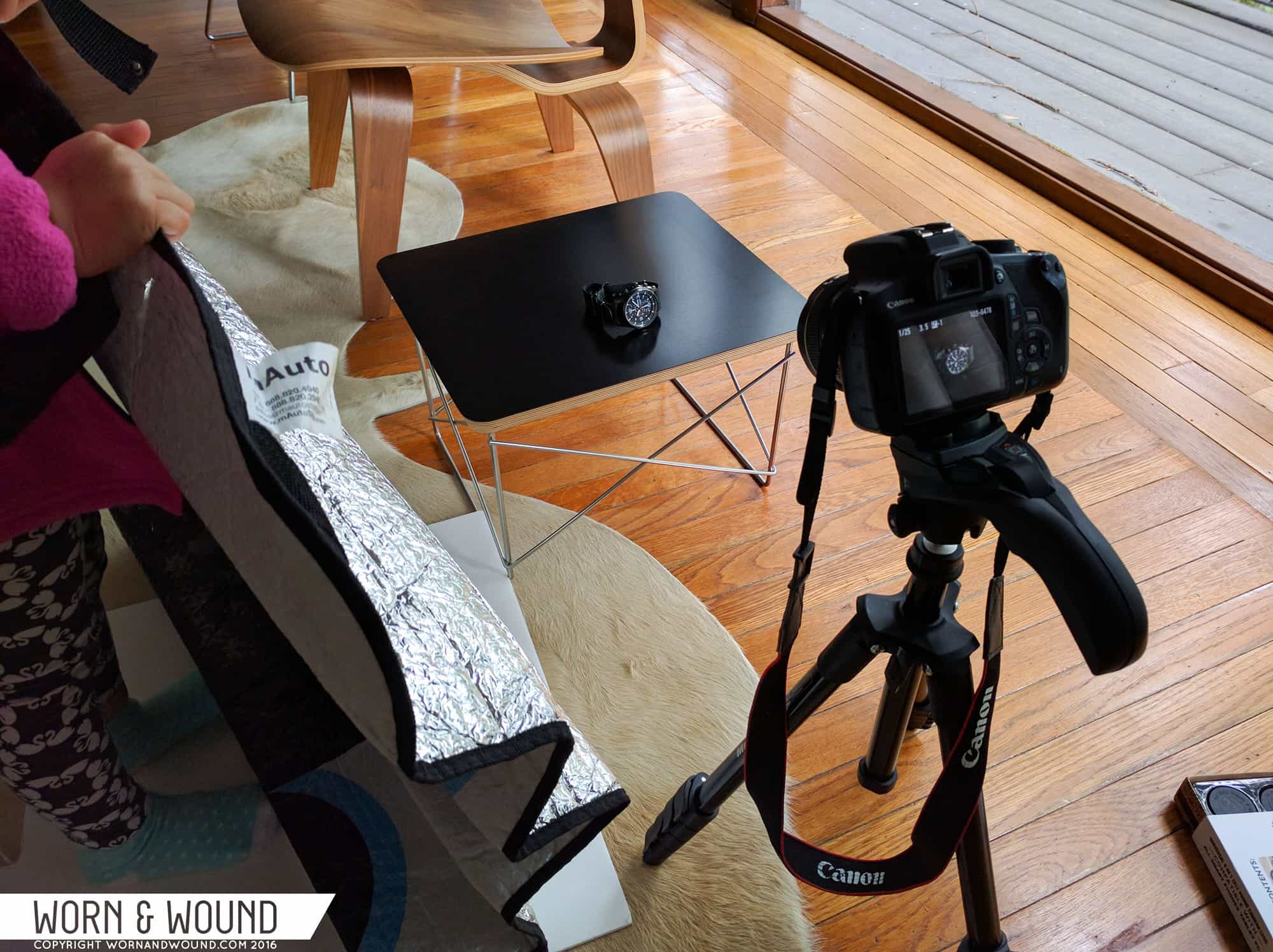
Natural Lighting: The Free and Effective Solution
Natural light remains the most accessible option for watch enthusiasts. The best natural light comes from soft, diffuse sources—particularly early morning light or overcast days. For indoor photography, positioning your subject near a window provides even illumination across the watch face.
To enhance natural light setups, consider using a reflector. This simple tool bounces light onto your subject, creating what photographers call "fill light." An inexpensive automotive sunshade or aluminum foil attached to cardboard can serve as an effective DIY reflector.
Understanding Color Temperature
Different light sources produce varying color casts measured in Kelvins (K). This technical detail significantly impacts the final appearance of your watch photographs:
| Light Source | Color Temperature (K) | Characteristics |
|---|---|---|
| Candlelight | 1,000K | Warm, reddish tones |
| Tungsten Bulb | 2,700K | Warm, yellowish |
| Fluorescent | 4,000K | Cool, slightly green |
| Daylight | 5,500-6,000K | Neutral, balanced |
| Overcast Sky | 6,500K | Cool, blue tones |
| Clear Blue Sky | 10,000K | Very cool, blue |
For the most accurate color representation, shooting with a 5,500-6,000K light source approximates cool daylight and provides a neutral starting point for post-production editing.
Artificial Lighting: Light Boxes and Beyond
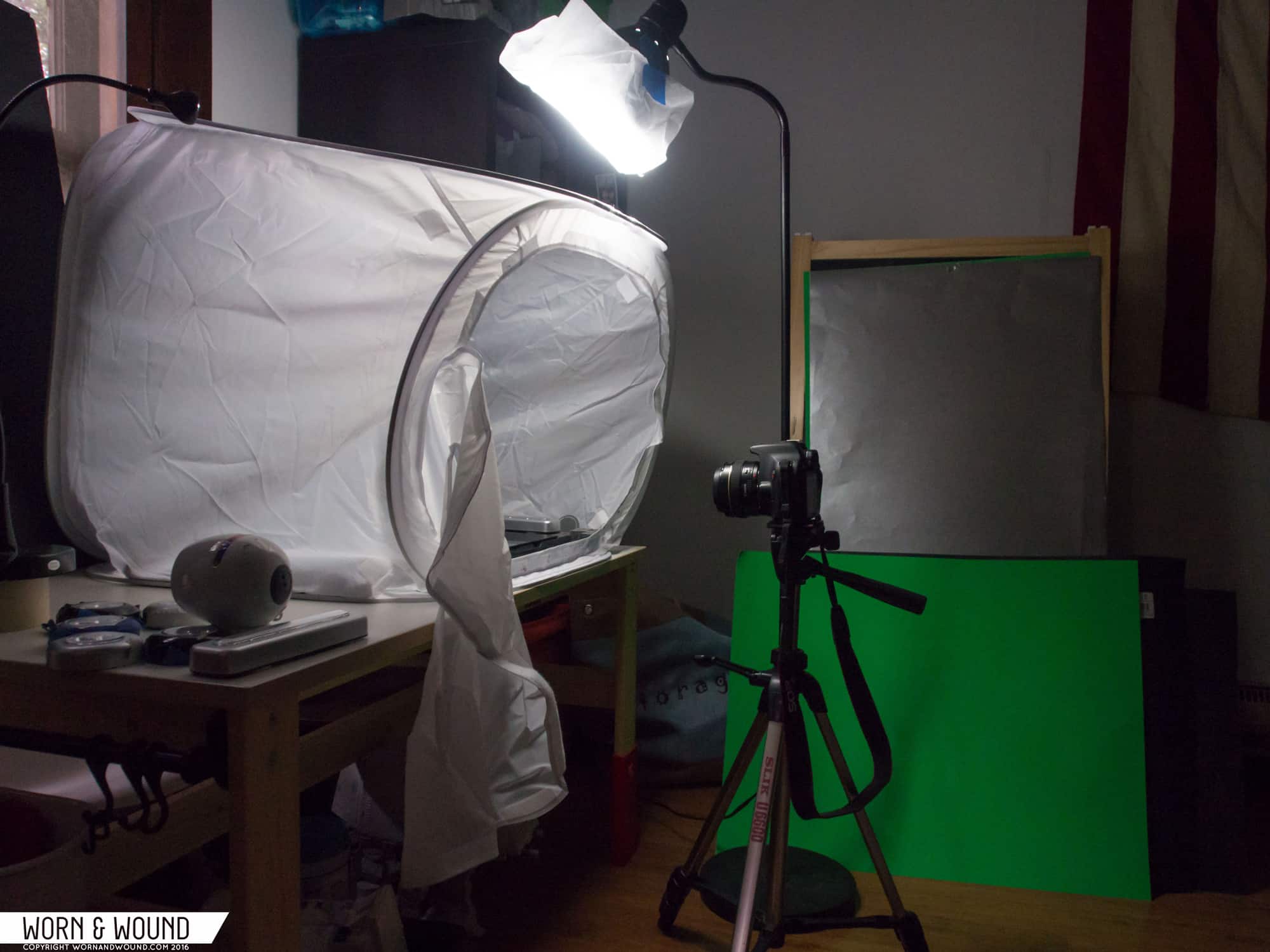
When greater control is needed—particularly for online sales photography where white backgrounds are essential—artificial lighting becomes invaluable. A basic light box setup can be assembled for under $40 and includes:
- Foldable light box ($20)
- 5,500K LED lamp
- Vellum paper for diffusion
- Cardboard backdrops
- Tripod for stability
The light box evenly distributes illumination while preventing harsh reflections on polished metal surfaces. Vellum paper, or tracing paper, further diffuses light to create soft, even coverage.
The 10:10 Rule
While not strictly a lighting consideration, setting your watch to 10:10 (hour hand at 10, minute hand at 10) provides visual symmetry and clear branding visibility. This professional touch significantly improves the presentation quality of your photographs.
Practical Tips for Better Results
Start with natural light near a window and add a simple reflector for fill. For more controlled environments, invest in a basic light box setup with a 5,500K LED. Always pay attention to color temperature to ensure accurate color reproduction. Remember that overexposure creates irreversible blown highlights, so slightly underexposing and correcting in post-production is often safer.
Frequently Asked Questions
What is the best lighting for watch photography?
Soft, diffuse natural light from a window combined with a reflector for fill is ideal for most watch photography. For commercial work requiring white backgrounds, a light box with 5,500K LED lighting provides consistent, controllable results.
How do I avoid reflections on watch crystals?
Position your light source at a 45-degree angle to the watch face, use a polarizing filter, or shoot through a piece of paper with a lens cutout. These techniques minimize glare without requiring expensive equipment.
Do I need expensive camera equipment?
No. Modern smartphones combined with proper lighting techniques can produce excellent watch photography. The key is understanding lighting principles rather than relying on expensive gear.
Source: Worn & Wound - Watch Photography 101: Part 1 - Basic Lighting
Related: Complete Watch Collection Guide, Camera Settings for Watch Photography