

HM2.2 Black Box: Alain Silberstein's Bauhaus-Inspired Design for MB&F
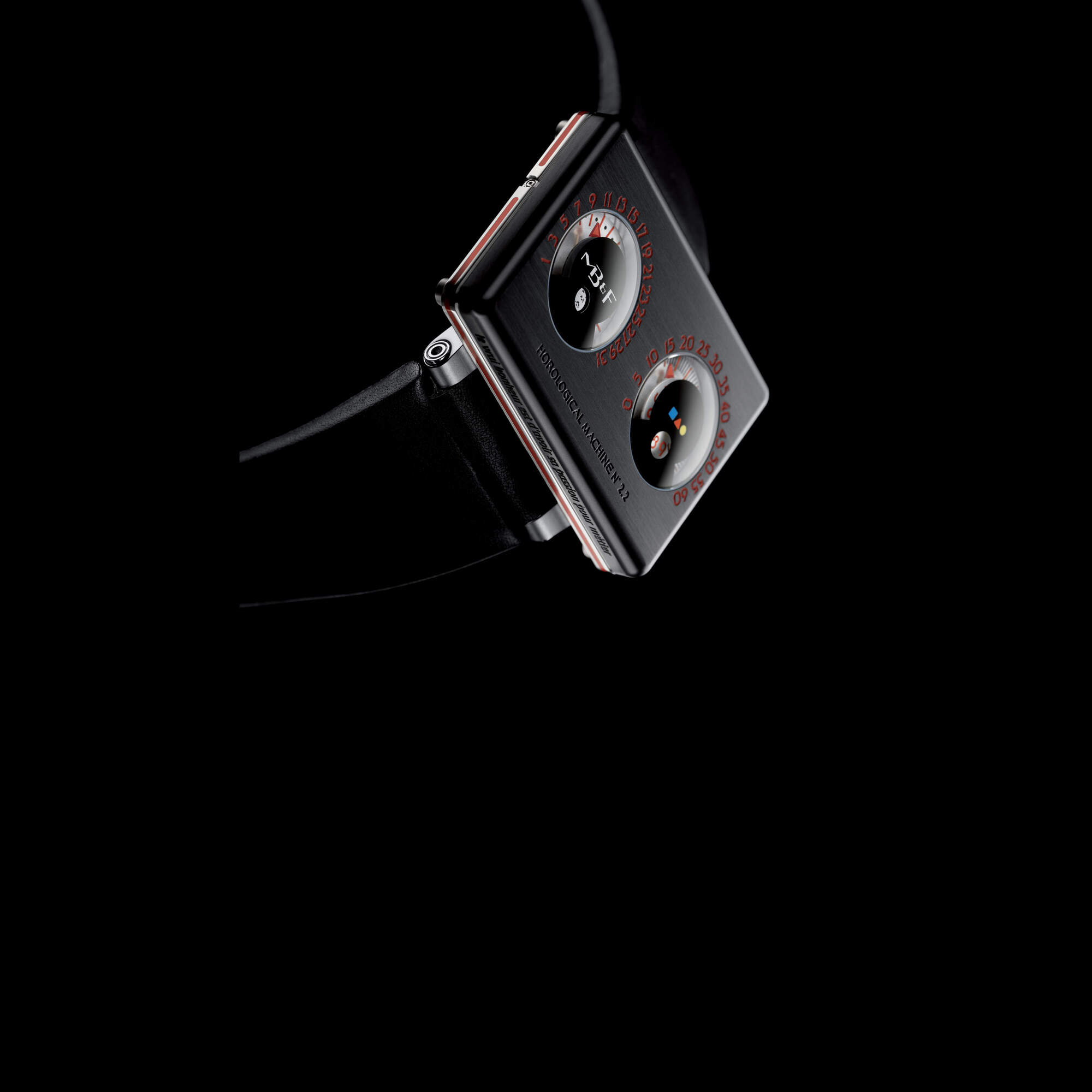
HM2.2 Black Box: Alain Silberstein's Bauhaus-Inspired Design for MB&F
The intersection of architecture, industrial design, and horology has produced some of the most fascinating timepieces in modern watchmaking. A striking example of this cross-disciplinary approach is the HM2.2 Black Box, a collaboration between MB&F and renowned French watch designer Alain Silberstein. The result is a timepiece that embodies the principles of Bauhaus design—purity, restraint, and functional elegance.
According to mbandf.com, HM2.2 features a case created by French watch designer Alain Silberstein. MB&F and Silberstein called it the "black box," all Bauhaus purity and restraint.
The Legacy of Alain Silberstein
Alain Silberstein has long been recognized as one of the most distinctive voices in contemporary watch design. Trained as an architect before entering the world of horology, Silberstein brings a structural sensibility to his timepieces that sets them apart from conventional watch designs. His work is characterized by bold geometric forms, playful use of color, and a deep appreciation for the Bauhaus movement's emphasis on form following function.
The collaboration with MB&F represents a meeting of creative minds who share a commitment to pushing boundaries while respecting the fundamental principles of good design. For MB&F, partnering with Silberstein allowed them to explore new aesthetic territory within their Horological Machine framework.
Understanding the Bauhaus Influence
Bauhaus, the German art school operational from 1919 to 1933, profoundly influenced modern design across multiple disciplines. Its core principles—unity of art and technology, emphasis on functionality, and rejection of unnecessary ornamentation—continue to inform contemporary design practice. In the context of watchmaking, a Bauhaus-inspired approach translates to clean lines, legible displays, and an overall aesthetic that prioritizes clarity over complexity.
The HM2.2 Black Box exemplifies these principles through its restrained color palette, geometric case design, and clear functional hierarchy. Every element of the watch serves a purpose, with no superfluous decoration to distract from its essential function of telling time.
Design Specifications and Features
| Attribute | Details |
|---|---|
| Model | HM2.2 (Horological Machine 2, iteration 2) |
| Designer | Alain Silberstein |
| Design Philosophy | Bauhaus purity and restraint |
| Color Scheme | Black (primary) |
| Nickname | "Black Box" |
| Brand | MB&F |
The Concept of the "Black Box"
The designation "Black Box" is both descriptive and symbolic. Visually, the watch's predominantly black color scheme gives it a monolithic, enigmatic appearance—like a mysterious object whose inner workings remain hidden from casual observation. Symbolically, the "black box" concept suggests a device that contains complex mechanisms within a simplified exterior, much like the flight recorders in aviation that maintain their composure regardless of the chaos surrounding them.
This duality—complexity concealed within simplicity—is central to the Bauhaus philosophy and to Silberstein's design approach. The HM2.2 invites closer inspection, rewarding the curious observer with details that reveal themselves gradually rather than announcing themselves immediately.
For those interested in understanding the mechanical complexity that powers such designs, our guide to movement types and complications provides valuable technical background.
Alain Silberstein's Design Language
Silberstein's work is instantly recognizable for its bold geometric shapes and often playful color combinations. However, in the HM2.2 Black Box, he demonstrates his versatility by working within a more restrained palette. This restraint does not diminish the watch's visual impact; rather, it channels it through the disciplined lens of Bauhaus principles.
The case design, with its clean lines and purposeful forms, reflects Silberstein's architectural training. Each surface and angle has been considered not just for its aesthetic contribution but for its functional implications—how light interacts with the crystal, how the watch sits on the wrist, how the crown operates under various conditions.
MB&F's Collaborative Approach
MB&F has built its reputation on a collaborative model of watchmaking. Rather than developing every aspect in-house, the brand partners with specialist manufacturers and designers to create timepieces that benefit from diverse expertise. This approach allows MB&F to explore different aesthetic and technical territories while maintaining the brand's core identity of innovation and creativity.
The partnership with Alain Silberstein for the HM2.2 exemplifies this collaborative philosophy. By inviting an external designer to reinterpret their Horological Machine platform, MB&F ensured that the resulting watch would bring something genuinely new to their collection—not just a variation on existing themes but a fresh perspective on what their machines could be.
The Enduring Appeal of Bauhaus Design
More than a century after the Bauhaus school's founding, its principles continue to resonate with designers across all disciplines. In an age of visual overload, the Bauhaus emphasis on clarity, functionality, and honest use of materials offers a refreshing alternative to excessive ornamentation. The HM2.2 Black Box demonstrates that these principles are as relevant today as they were in the early twentieth century.
For watch collectors and design enthusiasts alike, the HM2.2 represents a convergence of horological innovation and design history—a timepiece that is both forward-looking and deeply rooted in a rich aesthetic tradition.
Frequently Asked Questions
Who designed the HM2.2 Black Box?
The HM2.2 Black Box was designed in collaboration between MB&F and French watch designer Alain Silberstein. Silberstein, trained as an architect, brought his distinctive design sensibility to the project, creating a timepiece that embodies Bauhaus principles of purity and restraint.
What is the Bauhaus influence on this watch?
The Bauhaus movement, which emphasized unity of art and technology, form following function, and rejection of unnecessary ornamentation, directly influenced the HM2.2's design. This is evident in its clean lines, restrained color palette, and functional clarity—every element serves a purpose without superfluous decoration.
Why is it called the "Black Box"?
The "Black Box" nickname refers to the watch's predominantly black color scheme and its enigmatic appearance. Like a mysterious device whose inner workings remain hidden, the HM2.2 presents complex mechanisms within a simplified exterior, rewarding closer inspection with gradually revealed details.
Source: According to mbandf.com