

Solar Quartz vs Mechanical: Understanding the Core Differences in 2026
Two Technologies, One Purpose
On analogue dials, mechanical and quartz watches look nearly identical and tell time the same way. Yet the technology driving them is fundamentally different — and understanding these differences is key to choosing the right timepiece for your lifestyle.
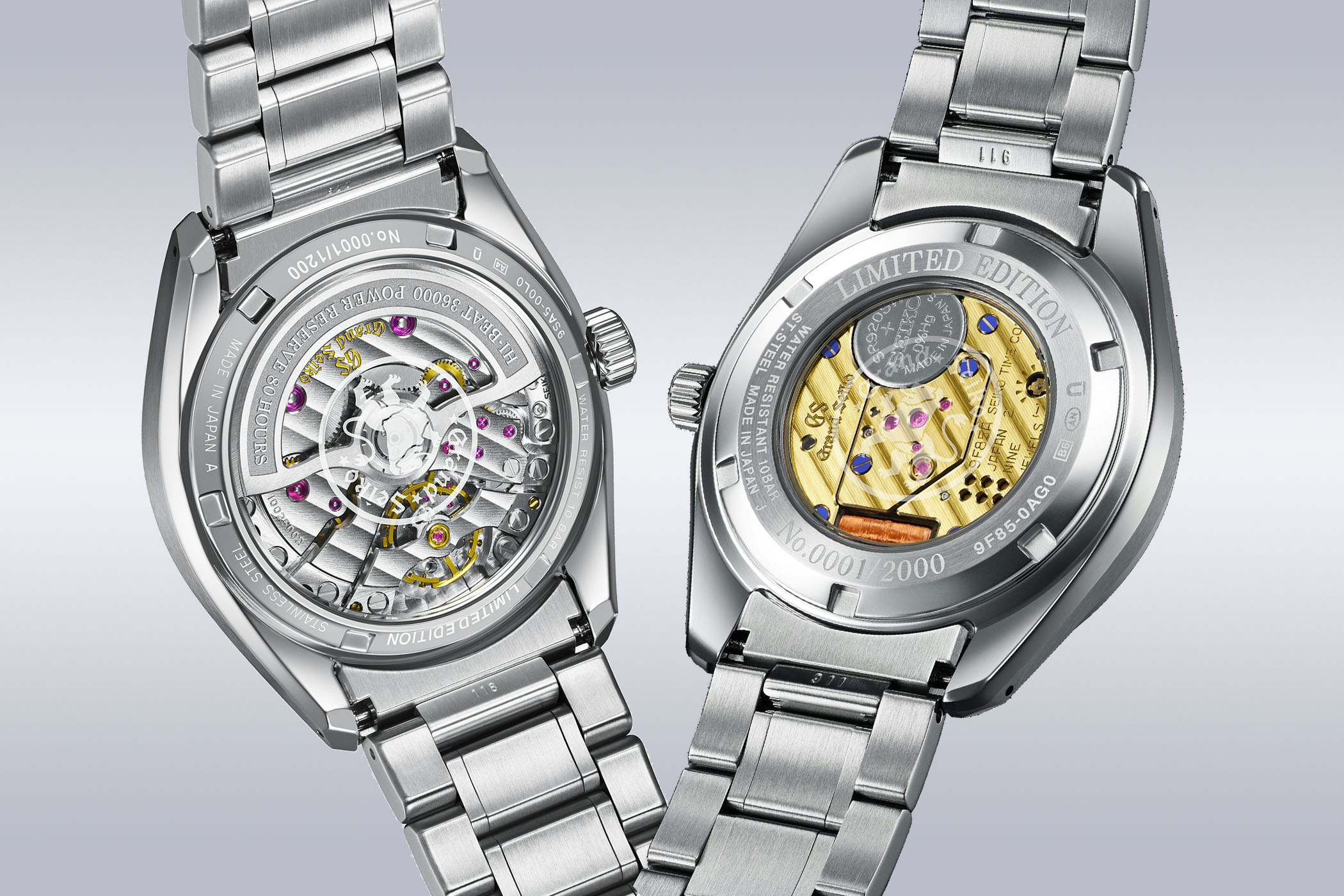
How Mechanical Watches Work
Mechanical watches rely on three pillars that date back to the 13th century: a power source (mainspring), a regulator (balance wheel), and an escapement. The mainspring stores energy when wound — either manually via the crown or automatically through a weighted rotor that spins with wrist movement. A gear train transfers this energy to the escapement, which releases it in controlled impulses, creating the characteristic tick-tock sound.
The balance wheel with its hairspring oscillates at specific frequencies — typically 3Hz (21,600 vibrations per hour) or 4Hz (28,800 vph) in modern movements. Higher frequencies generally mean better accuracy, though even the finest mechanical movements like Rolex's Superlative Chronometer achieve only ±2 seconds per day.
How Quartz Watches Work
Quartz watches use a battery to send electrical current through a quartz crystal shaped like a tuning fork, which vibrates at an incredibly stable 32,768Hz — thousands of times faster than any mechanical movement. An integrated circuit counts these vibrations and converts them to one pulse per second, driving the gear train. This explains why quartz seconds hands tick once per second rather than sweeping smoothly.
Accuracy Comparison
| Technology | Best Accuracy | Typical Accuracy |
|---|---|---|
| Mechanical (COSC) | ±2 seconds/day | ±5-10 seconds/day |
| Mechanical (High-end) | ±1 second/day | ±2-3 seconds/day |
| Standard Quartz | ±15 seconds/month | ±15 seconds/month |
| High-end Quartz (Citizen 0100) | ±1 second/year | ±5 seconds/year |
Practical Advantages
Quartz wins on: accuracy, price, maintenance, and durability. A dead quartz watch needs a battery or light exposure (if solar), while a dead mechanical watch requires winding. Modern solar technology from Citizen Eco-Drive and Tissot Lightmaster has largely eliminated battery replacement concerns.
Mechanical wins on: emotional appeal, craftsmanship, and investment value. The artistry of a hand-decorated movement, the absence of electronic components, and the heritage spanning centuries create a "soul" that quartz cannot replicate.
The Modern Compromise
Today's market increasingly supports both technologies in a single brand. Victorinox offers Concept One in both solar quartz and automatic; Citizen spans from $270 Tsuyosa automatics to $3,095 Eco-Drive quartz; Tissot pairs the PRX Powermatic 80 with the PRC 100 Solar. The choice is no longer either-or — it's about matching the technology to the occasion.
FAQ
Which is more accurate: solar quartz or mechanical?
Solar quartz is dramatically more accurate. The best mechanical watches achieve ±2 seconds per day, while high-end solar quartz like Citizen's Caliber 0100 achieves ±1 second per year — over 365 times more precise.
Do mechanical watches need batteries?
No. Mechanical watches are powered entirely by a mainspring, wound either manually or automatically. They never require batteries, though periodic servicing (typically every 5-10 years) is recommended.
Are quartz watches less valuable?
While mechanical watches generally hold higher resale values due to collector demand, certain quartz watches — like the original Seiko Astron or high-end Grand Seiko quartz — have significant collector value. Value depends more on brand, rarity, and condition than movement type.
Sources: Monochrome Watches (October 2025), aBlogtoWatch, Citizen Official