

Omega's Laboratoire de Précision: A New Chronometer Certification to Challenge COSC
Omega Establishes Independent Chronometer Testing Laboratory
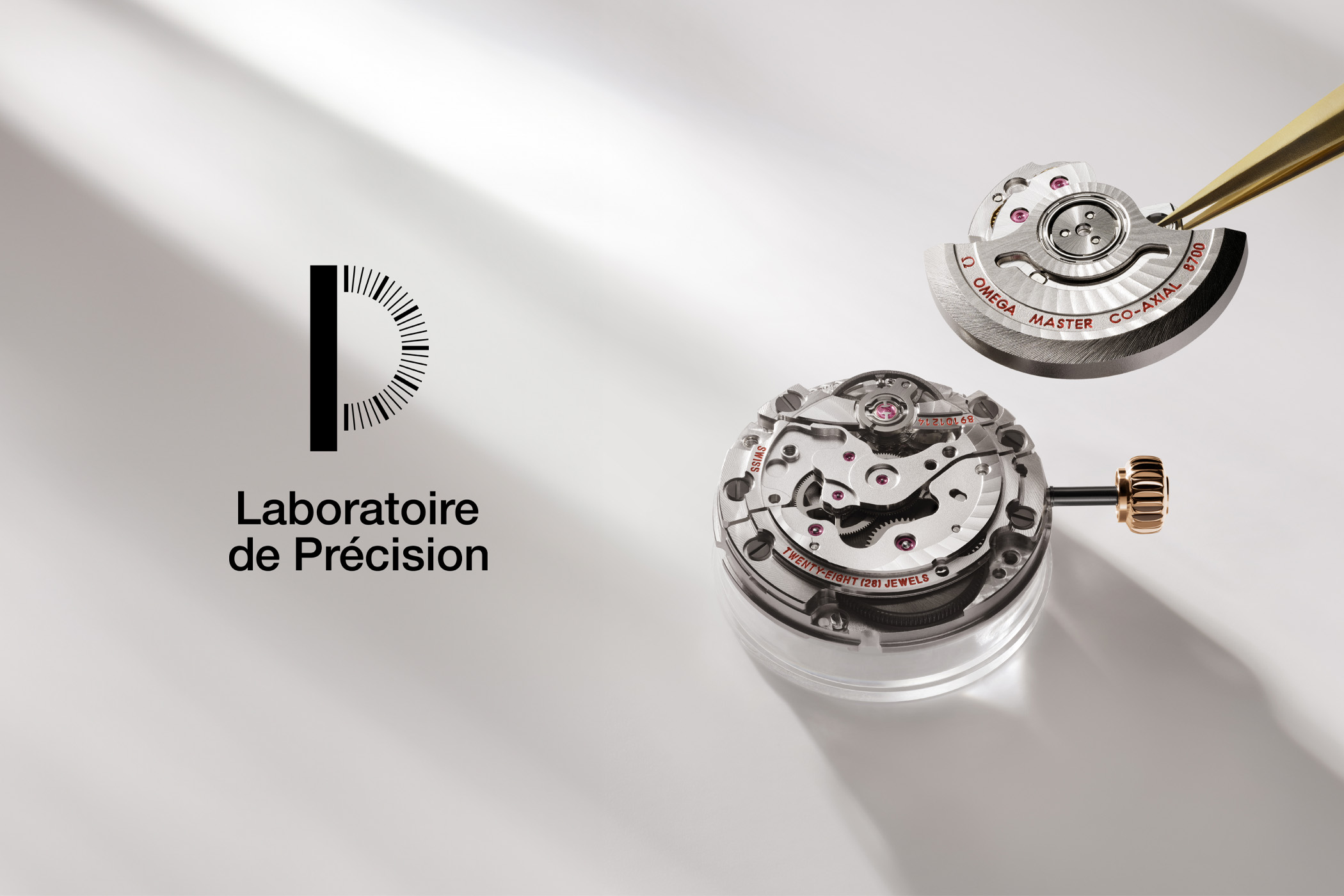
In a move that signals both independence and innovation, Omega has created the Laboratoire de Précision – a new, officially authorized chronometer testing laboratory designed to compete with the COSC. This facility represents the latest chapter in Omega's decades-long pursuit of precision and anti-magnetism in mechanical watchmaking.
The Laboratoire de Précision is officially recognized as a laboratory according to ISO/IEC17025:2017 by the Swiss Accreditation Service (SAS), making it a legitimate alternative to COSC for brands seeking chronometer certification.
Why Omega Created a New Testing Lab
The driving force behind the Laboratoire de Précision is the evolution of Omega's technical capabilities, which have outpaced what the traditional COSC testing can measure. Key factors include:
- The Spirate System: Omega's revolutionary regulation mechanism requires measurement accuracy ten times higher than industry standards to fine-tune movements to 0.1 second per day precision
- Master Chronometer Standards: The existing METAS certification demands -0/+5 seconds per day tolerance, exceeding COSC's -4/+6 seconds per day
- Continuous Testing: The new lab measures every beat of the calibre continuously throughout the 15-day test period, gathering unprecedented data volumes
- Industrial Integration: Having an in-house testing facility streamlines Omega's supply chain and quality control
Technical Capabilities
| Feature | COSC | Laboratoire de Précision |
|---|---|---|
| Measurement Frequency | Daily measurements | Continuous (every beat) |
| Precision | Standard | 10x higher than industry standard |
| Data Analysis | Traditional | Big data analytics |
| Facilities | Saint-Imier, Le Locle | Bienne, Villeret (1,000+ sqm) |
Open to All Brands
Despite being created by Omega, the Laboratoire de Précision is positioned as a neutral and independent entity. The laboratory is open to any brand or movement manufacturer that wishes to use its services, similar to how COSC operates. This openness suggests potential adoption by other Swatch Group brands such as Longines.
The move is also notable for its independence from COSC – a relationship that had existed for over 50 years. While Omega will continue to submit watches to COSC for the "chronometer" designation on dials, the Laboratoire de Précision provides a parallel path for precision testing.
Impact on the Industry
The creation of the Laboratoire de Précision reflects broader trends in Swiss watchmaking: the increasing importance of precision certification, the desire for brand independence, and the technical demands of modern movements. For consumers, this means more choices in how their watches are certified and potentially even more precise timepieces in the future.
Frequently Asked Questions
Can any brand use the Laboratoire de Précision?
Yes, despite being initiated by Omega, the laboratory is officially recognized by the Swiss Accreditation Service and is open to all brands and movement manufacturers on a neutral basis.
Does this replace COSC certification?
No, the Laboratoire de Précision is a complementary option. Omega watches will still receive COSC certification to maintain the "chronometer" designation, while the new lab provides enhanced testing for Master Chronometer and future precision standards.
Where are the testing facilities located?
The Laboratoire de Précision has two locations in Switzerland: one in Bienne (Omega's headquarters) and one in Villeret, with a combined testing space of over 1,000 square meters.
Related Reading
Discover more about watch certification in our complete guide to watch certifications or explore Omega's Master Chronometer certification in detail.
Sources: Monochrome Watches, Omega Official (www.omegawatches.com)