

Watch Photography Masterclass: From Beginner to Professional Lighting Techniques
The Evolution of Watch Photography Skills
Every professional watch photographer started as a beginner, typically with a smartphone and a newly acquired timepiece they wanted to share with the world. The journey from casual wrist shots to professional-quality images involves mastering lighting, composition, and technical skills that build progressively over time.
As Worn & Wound's Hung Doan reflects: "My interest in watch photography began with the rise of watch-interest forums 20 years ago. I started with a 3.3 megapixel CoolPix Nikon camera—how far we've come." This evolution mirrors the journey many enthusiasts experience as their skills develop.
Foundation Level: Essential Skills
The 10:10 Rule
Setting watch hands at the 10:10 position (hour hand at 10, minute hand at approximately 10 minutes) creates visual symmetry and ensures brand logos remain clearly visible. This industry-standard practice immediately elevates the professional appearance of any watch photograph.
Clean Preparation
Before any shoot, thoroughly clean the watch with a microfiber cloth. Fingerprints, dust, and skin oils become dramatically more visible in properly lit photographs. This simple step prevents hours of post-production retouching.
Basic Natural Light
Start with window light—position your watch near a north-facing window for soft, even illumination. Use a white cardboard reflector on the shadow side to balance the lighting. This zero-cost setup produces surprisingly professional results.
Intermediate Level: Controlled Environments
Light Box Introduction
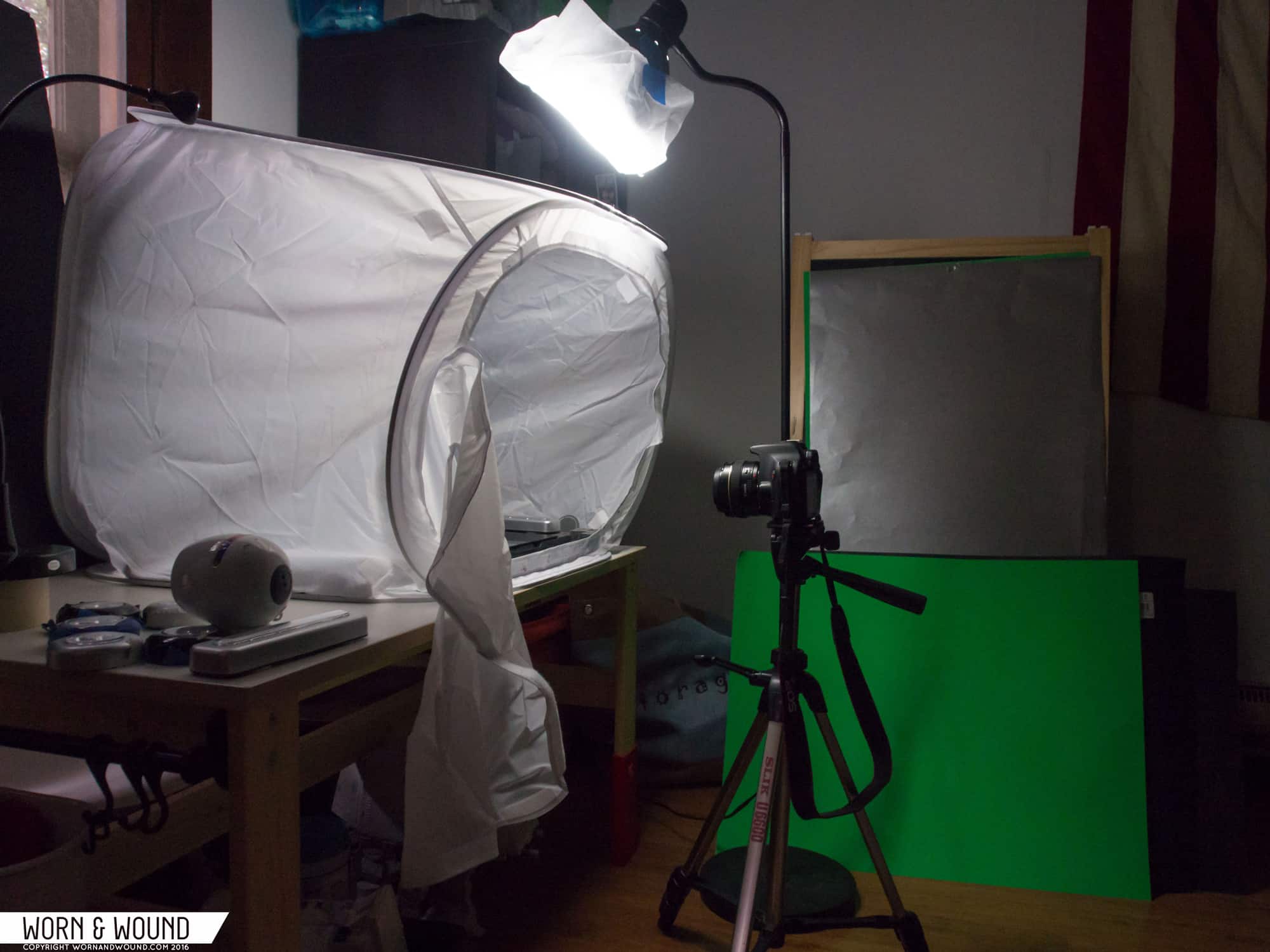
A light box provides consistent, controlled illumination regardless of time of day or weather conditions. A basic $20 foldable light box combined with a 5,500K LED lamp creates a reliable product photography setup suitable for online sales listings and social media content.
| Skill Level | Equipment | Budget | Capabilities |
|---|---|---|---|
| Beginner | Smartphone + window light | $0-10 | Basic wrist shots, natural look |
| Intermediate | Light box + LED lamp | $30-50 | Consistent product shots, white backgrounds |
| Advanced | DSLR + OCF + modifiers | $200-500 | Full creative control, professional results |
| Professional | Studio strobes + dedicated space | $1,000+ | Commercial-grade, multi-light setups |
Off-Camera Lighting
Moving beyond built-in flash represents the most significant skill upgrade in watch photography. Off-camera light sources enable directional control, allowing photographers to sculpt light around watch surfaces rather than blasting them with harsh, direct illumination.
Understanding Color Temperature
Different light sources produce varying color casts measured in Kelvins. Learning to match or intentionally mismatch color temperatures gives photographers creative control over mood and accuracy. For product photography, consistency at 5,500K-6,000K ensures accurate color representation.
Advanced Level: Professional Techniques
Multi-Light Setups
Professional watch photography often requires multiple light sources to handle complex reflective surfaces. Key light, fill light, background light, and accent lights work together to create dimensional, detailed images that showcase every aspect of a timepiece.
Light Bouncing Mastery
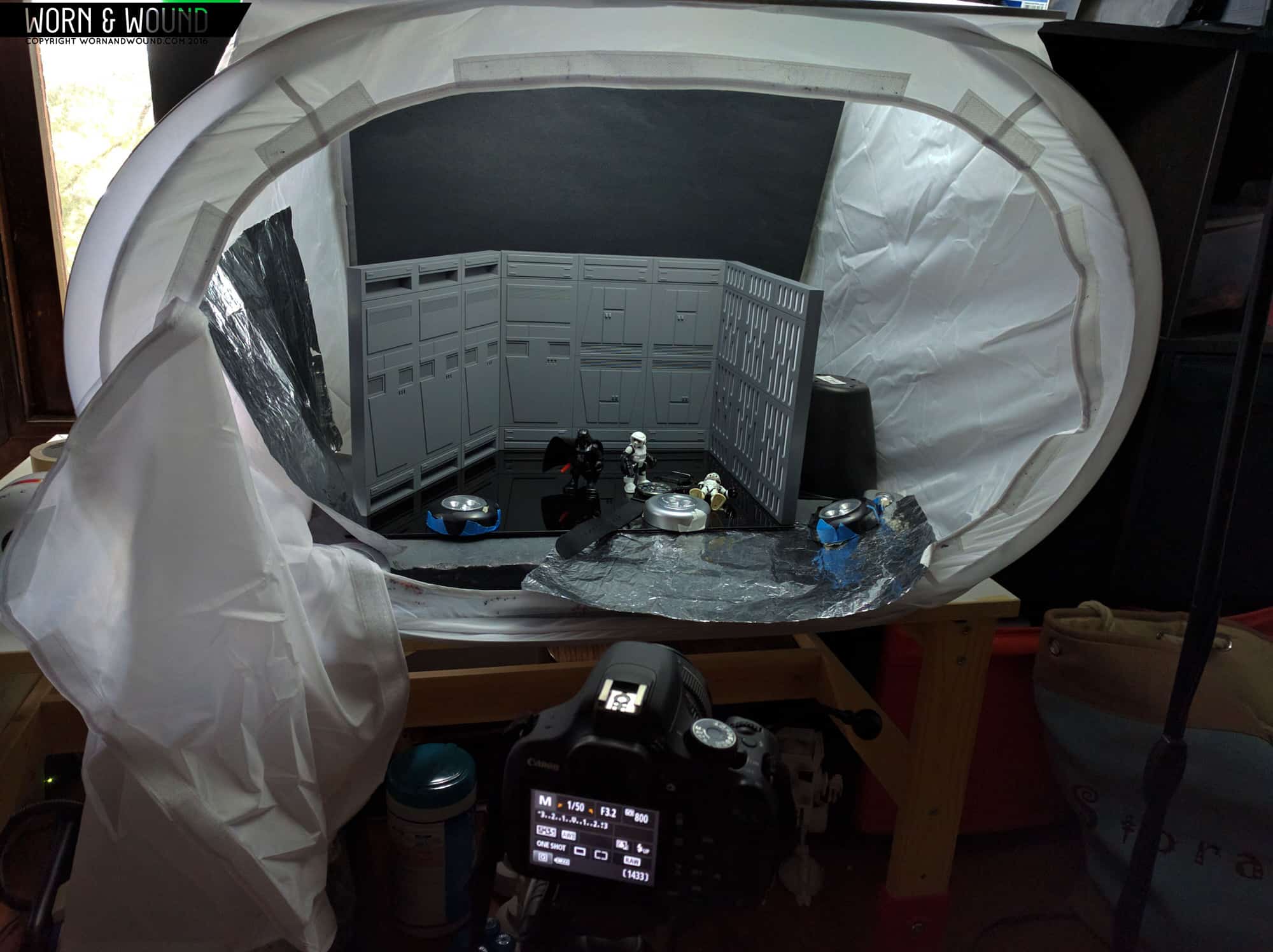
The ability to predict and control light bouncing separates amateur from professional photographers. Understanding how light interacts with different surfaces enables photographers to create soft, flattering illumination using indirect methods that produce the most attractive watch images.
Post-Production Workflow
While proper lighting minimizes post-production needs, professional results typically require some editing. Basic adjustments include exposure correction, color balance, and cropping. Advanced techniques involve focus stacking for complete sharpness and compositing multiple exposures.
The Professional Mindset: Storytelling Through Light
Beyond technical skills, professional watch photography requires understanding how to tell stories through imagery. Lighting choices communicate brand personality, product quality, and emotional connection. A dress watch photographed with soft, warm lighting conveys different messages than the same watch shot with crisp, cool illumination.
As WatchPro emphasizes: "Contextualising watches and jewellery in real-life scenarios or aspirational settings allows customers to envision how these pieces fit into their lives." This storytelling approach transforms product photography from documentation to marketing.
Developing Your Signature Style
As skills advance, photographers develop distinctive approaches to lighting, composition, and post-production. Some favor clean, minimal aesthetics with white backgrounds. Others prefer moody, atmospheric lighting that creates emotional resonance. Neither approach is inherently superior—the key is consistency and intentionality.
Frequently Asked Questions
How long does it take to develop professional watch photography skills?
Most photographers achieve competent product photography skills within 3-6 months of regular practice. Professional-level mastery typically requires 1-2 years of consistent shooting and experimentation. The key is deliberate practice with immediate feedback—shoot, review, adjust, repeat.
What's the most common mistake beginner watch photographers make?
Over-reliance on camera equipment while neglecting lighting fundamentals. Expensive cameras cannot compensate for poor lighting. Investing time in understanding light behavior produces greater improvements than upgrading camera bodies or lenses.
Should I learn on a smartphone or DSLR?
Start with whatever camera you have available. Smartphone photography teaches composition and lighting fundamentals without the complexity of camera settings. Once comfortable with basics, adding a DSLR or mirrorless camera provides additional creative control and image quality.
Conclusion
Watch photography mastery is a progressive journey that rewards consistent practice and deliberate skill development. By building foundation skills first and gradually introducing more advanced techniques, photographers at any level can achieve impressive results that do justice to their prized timepieces.
Sources: Worn & Wound - Watch Photography 101 Series, Monochrome Watches - Budget Watch Photography, WatchPro - Photography in Ecommerce
Related: Photography Learning Path | Photographing Your Watch Collection