

The Popularity Paradox: Why 'Top Watches' Are Rarely the Most Satisfying to Collect
Why Popular Watches May Not Be Your Best Investment

In the world of luxury watch collecting, popularity often serves as a double-edged sword. While many collectors gravitate toward the most talked-about timepieces, industry experts argue that this approach may lead to disappointment rather than long-term satisfaction. According to recent analysis from leading watch publications, the most popular watches are essentially benchmarks of the "perfectly average" — good timepieces that excel at being acceptable without being remarkable.
The Internet's Role in Shaping Watch Popularity
The digital information economy has fundamentally changed how collectors discover and evaluate watches. Online content creators, YouTube channels, and media outlets consistently rank and compare watches into "top 10" lists and buyer guides. While helpful for beginners, this approach can create a distorted perception of value.
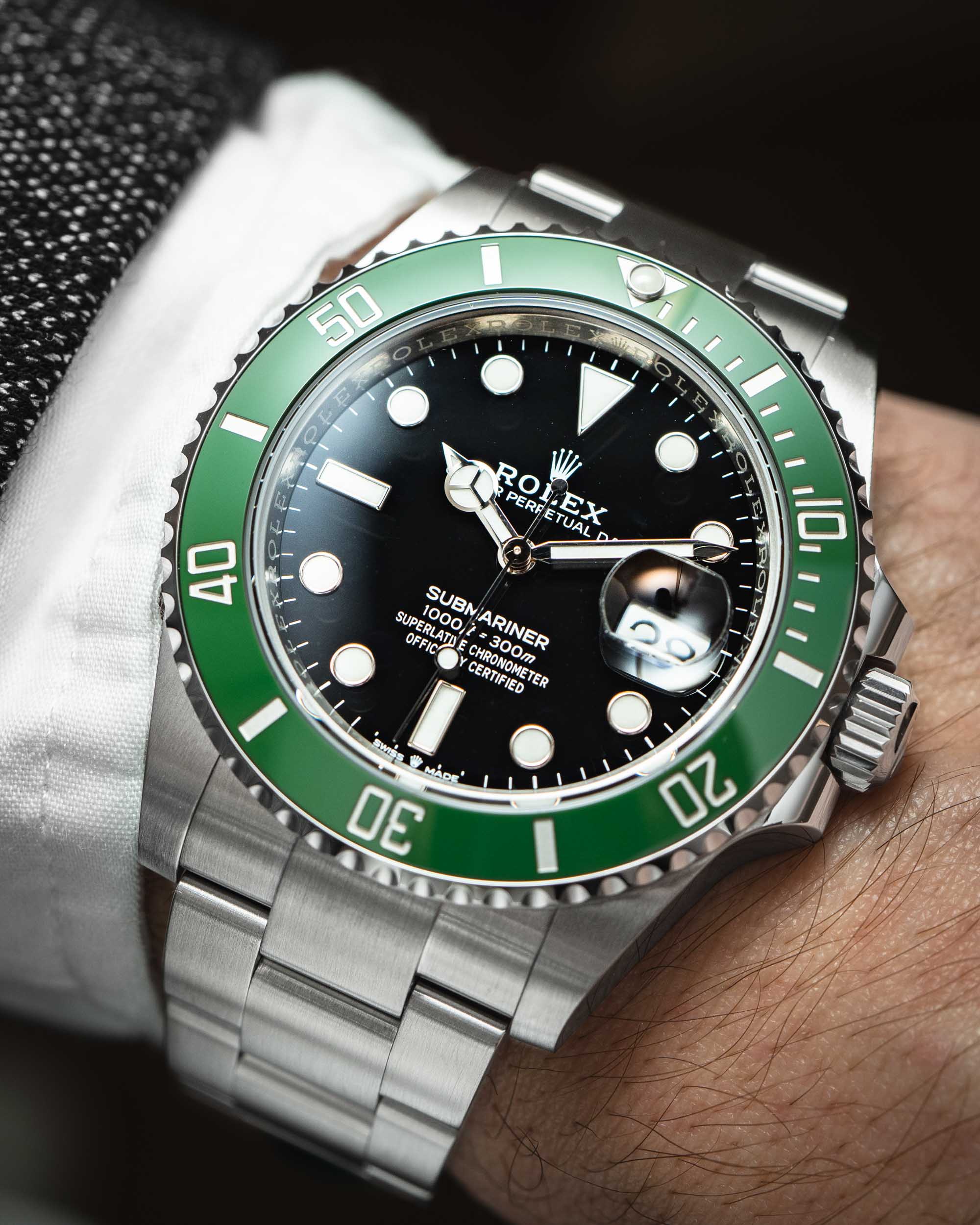
The challenge for developing watch consumers is that much of the educational content they encounter is also designed to generate excitement about purchasing specific products. This creates a confusing contradiction: content teaches appreciation while simultaneously pushing particular purchases.
How Popular Watches Compare Across Industries
| Industry | Collector Behavior Trend |
|---|---|
| Fashion | Increasingly original and unique styles |
| Automotive | Rare and avant-garde vehicles, bespoke orders |
| Watches | Progression toward niche and distinctive pieces |
Just like fashion enthusiasts strive for signature looks and car collectors seek increasingly rare vehicles, accomplished watch collectors tend to move beyond popular models as their tastes develop. The satisfaction lies in personalization, not popularization.
Using Popular Watches as Learning Tools
Popular watches do serve an important purpose in a collector's journey. They function as low-cost tests for understanding different watch shapes, colors, materials, and functions. By sampling popular models, collectors can discover their preferences before making more significant investments in niche timepieces.
However, popular watches should never be considered deep-cut investments. They are entry points and benchmarks, not permanent collection cornerstones.
From Popularization to Personalization
True satisfaction in watch collecting comes in two parts: first, the process of learning through trial and error; second, the hunting phase where collectors know their tastes and seek watches that satisfy unique preferences. At this stage, general watch popularity becomes irrelevant — all that matters is personal taste and finding watches that match individual styles.

FAQ: Watch Collecting Investment
Should I avoid popular watches entirely?
No. Popular watches serve as valuable learning tools for new collectors. They help you understand different styles, sizes, and features. The key is not to overpay for them or consider them as long-term investments.
What makes a watch a good investment?
Watches that combine authentic storytelling, limited availability, strong brand heritage, and personal significance tend to hold value better. However, the primary driver should always be personal enjoyment rather than speculation.
How do I develop my collecting taste?
Start by sampling popular models to understand what appeals to you. As you gain experience, you'll naturally gravitate toward more distinctive and niche pieces that reflect your unique preferences.
Source: aBlogtoWatch — "According To Ariel: The Popularity Paradox" (August 31, 2026)
Looking for more watch insights? Explore our complete watch buying guide or browse our luxury collection recommendations.