
Tourbillon Excellence: 10 Outstanding Timepieces Showcasing the Dancing Cage
The Hypnotic Appeal of Tourbillon Complications in High-End Watchmaking
In the world of haute horlogerie, few complications capture the imagination quite like the tourbillon. As noted by experienced collectors, few things in high-end watchmaking catch the eye like the tourbillon. Its hypnotic motion is mesmerising, turning timekeeping into a visual performance that transforms a functional timepiece into wearable kinetic art.
Understanding the Tourbillon Mechanism
Originally invented by Abraham-Louis Breguet in 1801, the tourbillon was designed to improve accuracy by averaging out positional errors caused by gravity. The mechanism places the escapement and balance wheel in a rotating cage, typically completing one revolution per minute. While modern manufacturing techniques have reduced the practical accuracy benefits, the tourbillon remains a symbol of watchmaking virtuosity.
| Feature | Traditional Tourbillon | Modern Variations |
|---|---|---|
| Rotation Speed | 1 revolution per minute | Variable (1-6 minutes) |
| Cage Material | Brass or steel | Titanium, silicon, or aluminum |
| Number of Axes | Single axis | Multi-axis (2-4 axes) |
| Typical Weight | 0.3-0.5 grams | Under 0.2 grams |
Contemporary Tourbillon Innovation
Modern watchmakers have pushed the tourbillon concept beyond its original purpose, creating visually stunning interpretations that showcase mechanical creativity. These innovations include flying tourbillons (visible from only one side), multi-axis tourbillons (rotating in multiple planes), and tourbillons integrated with other complications like minute repeaters and perpetual calendars.
The visual appeal of these mechanisms has made them popular among collectors who appreciate both technical excellence and artistic expression in watchmaking.
Notable Tourbillon Collections
Several prestigious brands have established themselves as leaders in tourbillon watchmaking, each bringing their own interpretation to this classic complication:
- Breguet: As the inventor of the tourbillon, Breguet continues to produce classical interpretations that honor the original design while incorporating modern materials and techniques.
- Jaeger-LeCoultre: Known for complex movements, the brand offers tourbillons integrated with other complications in distinctive case designs.
- Audemars Piguet: The Royal Oak Concept collection features avant-garde tourbillon designs that push aesthetic boundaries.
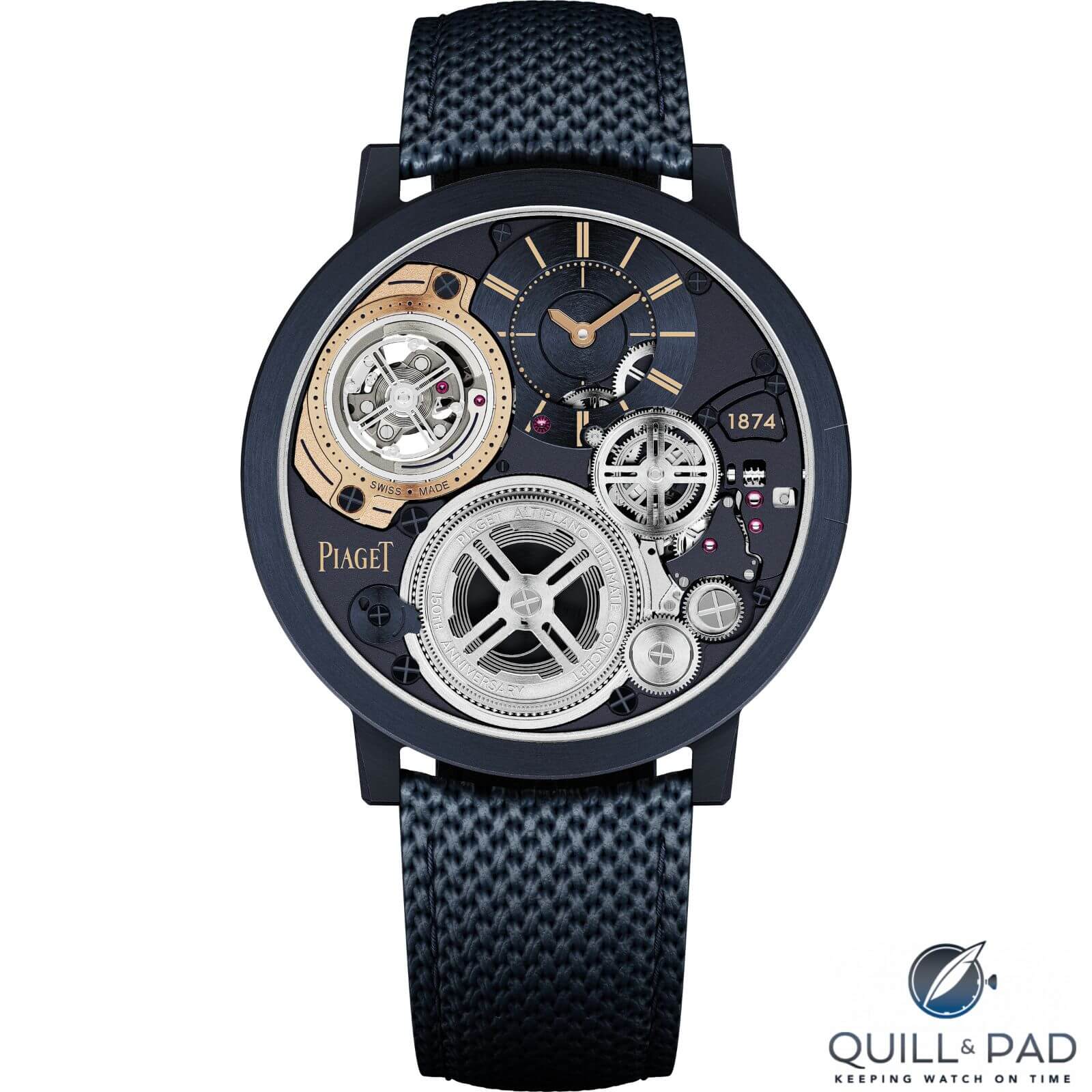
- Piaget: Specializes in ultra-thin tourbillon movements, demonstrating technical mastery in constrained dimensions.
For enthusiasts interested in understanding the mechanical principles behind such complications, we recommend:
- 5 Patented Escapement Innovations Challenging the 250-Year-Old Lever Escapement
- What Really Affects Your Mechanical Watch's Accuracy: 7 Key Factors
The Collectibility Factor
Tourbillon watches occupy a special position in the collecting world, often representing the pinnacle of a brand's technical capability. Limited production numbers, handcrafted movements, and exceptional finishing contribute to their collectibility and long-term value retention. These pieces frequently appear at major auction houses, where they command significant premiums over other complicated watches.
Investment Considerations
When considering tourbillon watches as investments, collectors should evaluate several factors: brand prestige, movement complexity, condition, provenance, and market trends. While historical importance and rarity drive value, the visual appeal and technical innovation of modern tourbillons have created a dynamic market that continues to attract new collectors.
Frequently Asked Questions
Does a tourbillon improve watch accuracy in modern watches?
While originally designed to improve accuracy by averaging positional errors, modern manufacturing techniques have reduced the practical benefits. Today, tourbillons primarily serve as demonstrations of watchmaking skill and visual complications rather than accuracy-enhancing features.
What is the difference between a flying tourbillon and a traditional tourbillon?
A traditional tourbillon is secured by bridges on both sides, while a flying tourbillon is supported only from below, creating the illusion that it's floating. This design offers better visibility of the rotating cage but requires more complex engineering to maintain stability.
Are tourbillon watches suitable for everyday wear?
Modern tourbillon watches are designed for regular use, though they require careful handling due to their complexity. Many brands offer robust cases with adequate water resistance, making them suitable for daily wear. However, the intricate mechanism may require more frequent servicing than simpler movements.