
Natural History & Taxidermy: Artcurial Auctions Spotlight Centuries of Natural Treasures
Artcurial's Natural History Department Highlights
Under the direction of Juliette Leroy-Prost, Artcurial's Natural History & Taxidermy department has carved out a distinctive niche in the auction world, spotlighting treasures from the natural world that scholars, researchers, and collectors have preserved and studied since the Renaissance era.
The Spirit of the Curiosity Cabinet
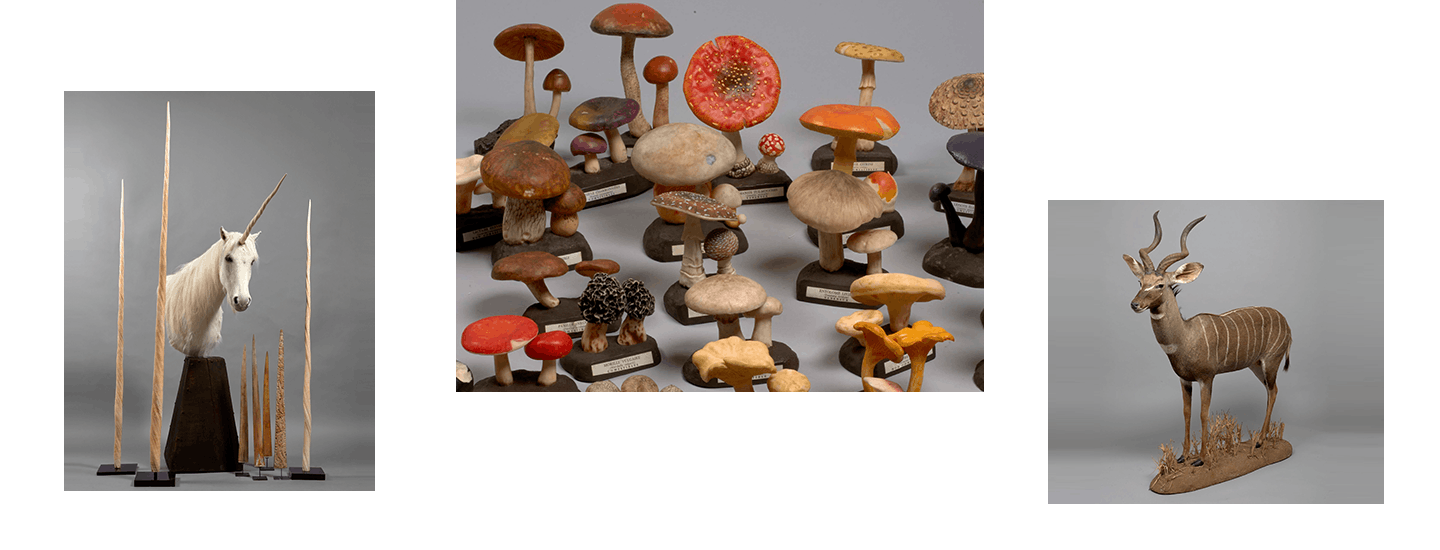
According to artcurial.com, each auction unveils numerous objects in the spirit of a curiosity cabinet—a tradition that dates back centuries when collectors gathered exotic specimens and natural wonders. The department's offerings include reptiles and fish, insects, butterflies, preserved liquid specimens, and osteology collections.
| Collection Category | Description |
|---|---|
| Reptiles and Fish | Preserved specimens from various species |
| Insects and Butterflies | Curated entomological collections |
| Liquid Specimens | Preserved specimens in liquid media |
| Osteology | Skeletal preparations and bone specimens |
The Cabinet of Curiosities Tradition
The concept of the cabinet of curiosities emerged during the Renaissance as collectors assembled remarkable natural specimens and artifacts. These collections served as both educational resources and status symbols, demonstrating the owner's knowledge and access to exotic specimens from around the world.
Artcurial's auctions continue this tradition, making historically significant specimens available to modern collectors and institutions. The department's careful curation ensures that each auction presents a thoughtful selection of items that appeal to various collecting interests.
Preservation Techniques and Historical Significance
The specimens offered through Artcurial represent centuries of preservation techniques, from traditional taxidermy methods to more modern fluid preservation approaches. Each specimen carries not only scientific value but also historical significance, representing the evolution of natural history documentation and preservation.
- Traditional taxidermy mounting techniques from various periods
- Wet specimen preservation in glass containers
- Skeletal preparation and mounting methods
- Entomological preservation and display techniques
Collecting Natural History Specimens
Natural history collecting has experienced renewed interest in recent years, with both experienced collectors and newcomers drawn to the aesthetic and historical appeal of these specimens. The intersection of science, art, and history makes natural history collecting a uniquely multidisciplinary pursuit.
For those interested in understanding the technical aspects of preservation and collecting, knowledge of materials and construction methods is essential. Our guide on Water Resistance Testing for Seiko Mods demonstrates the type of technical knowledge that supports detailed understanding of preservation and protection methods.
Market Trends in Natural History Collecting
The natural history auction market has shown consistent growth, driven by interest from museums, private collectors, and educational institutions. Specimens with proven historical significance or particularly aesthetic presentation command premium prices at auction.
| Market Factor | Impact on Values |
|---|---|
| Provenance and History | Significant premium for documented history |
| Condition and Quality | Major influence on specimen value |
| Rarity and Uniqueness | Higher prices for rare specimens |
| Aesthetic Presentation | Enhanced value for display-quality pieces |
The Intersection of Art and Science
Natural history specimens occupy a unique position at the intersection of scientific documentation and artistic presentation. The skill required to preserve and present specimens transforms scientific objects into works of art that can be appreciated for both their educational and aesthetic qualities.
This dual nature makes natural history collecting appealing to a diverse range of enthusiasts, from scientists and educators to art collectors and interior designers seeking distinctive decorative objects.
Frequently Asked Questions
What types of specimens does Artcurial's Natural History department offer?
According to artcurial.com, the department offers reptiles and fish, insects and butterflies, preserved liquid specimens, and osteology collections, presented in the spirit of traditional curiosity cabinets.
How do natural history auctions work?
Natural history auctions present curated collections of specimens to collectors, museums, and institutions. Items are typically displayed before auction, with bidding available in person, by phone, or online, depending on the auction house's format.
What makes natural history specimens valuable?
Value factors include historical provenance, specimen condition, rarity, aesthetic presentation, and scientific significance. Specimens with documented history or association with notable collections typically command premium prices.
Source: According to artcurial.com