

Swatch AI-DADA: How Artificial Intelligence is Redefining Watch Design Customization
Swatch's AI-DADA: How Artificial Intelligence is Transforming Watch Design Customization
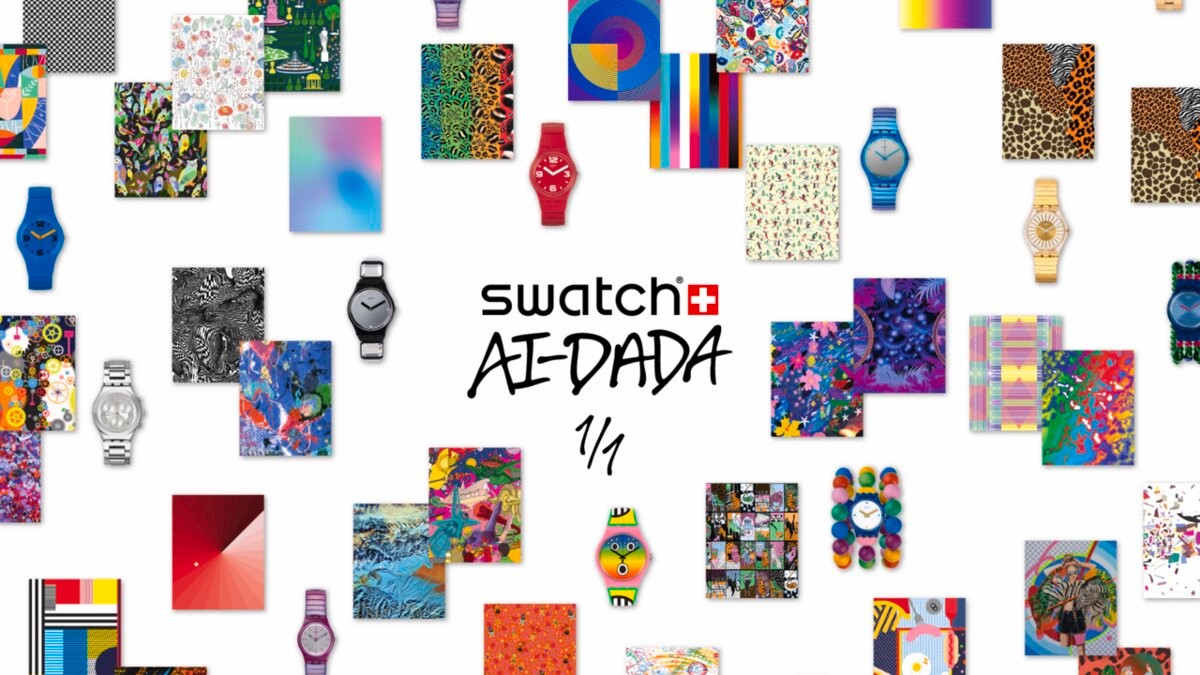
The watch industry is embracing artificial intelligence in a bold new way. Swatch's AI-DADA tool represents one of the most ambitious applications of AI in luxury retail, transforming creative prompts into fully realized watch designs. Launched across Europe and Turkey in early 2026, this "artistic intelligence" platform is changing how consumers interact with watch brands and how brands approach product development.
What is AI-DADA? The Technology Behind the Innovation
AI-DADA is not your typical AI image generator. Swatch has developed it as an "artistic intelligence" specifically trained on design principles, color theory, and the brand's extensive design heritage. The tool allows users to describe their vision in natural language and receive a complete, production-ready watch design in return.
| Feature | Traditional Design Process | AI-DADA Approach |
|---|---|---|
| Design Time | Weeks to months | Seconds to minutes |
| Iteration Speed | Slow, manual revisions | Instant regeneration |
| User Involvement | Passive (receive finished product) | Active (co-create with AI) |
| Personalization | Limited to existing options | Unlimited creative possibilities |
| Design Expertise Required | High | None — just imagination |
The Creative Process: From Prompt to Timepiece
Swatch describes AI-DADA as a tool that "transforms creative prompts into fully realised watch designs." The process works as follows:
- Step 1: User Input: Customers describe their desired watch using natural language — colors, patterns, themes, moods, or abstract concepts
- Step 2: AI Processing: The system analyzes the prompt against its training data, which includes Swatch's design archive and general artistic principles
- Step 3: Design Generation: AI-DADA produces a complete watch design, including dial, case, strap, and color scheme
- Step 4: Refinement: Users can iterate on the design, asking for modifications or entirely new variations
- Step 5: Production: Selected designs can potentially be produced as custom or limited-edition pieces
Industry Context: AI in Watchmaking
Swatch's AI-DADA launch comes at a time when the watch industry is increasingly exploring artificial intelligence applications:
- Design Assistance: AI tools helping designers generate concepts and variations
- Quality Control: Machine vision systems inspecting components for defects
- Supply Chain Optimization: Predictive analytics for inventory management
- Customer Service: AI-powered chatbots for product recommendations
- Authentication: AI systems detecting counterfeit watches
The Democratization of Watch Design
Perhaps the most significant aspect of AI-DADA is how it democratizes the design process. Historically, watch design has been the exclusive domain of trained professionals working within established brands. AI-DADA changes this dynamic by allowing anyone with an idea to become a designer.
This shift has several implications:
- Consumer Engagement: Brands can deepen relationships with customers by involving them in the creative process
- Market Research: AI-generated designs provide instant feedback on consumer preferences
- Product Development: Traditional design cycles can be compressed, allowing faster response to trends
- Limited Editions: AI-designed watches could become a new category of collectible timepieces
Challenges and Controversies
The introduction of AI in watch design is not without controversy:
- Craftsmanship Concerns: Some purists argue that AI-generated designs lack the human touch that defines true watchmaking artistry
- Intellectual Property: Questions arise about ownership of AI-generated designs — who owns the copyright?
- Brand Integrity: How do brands maintain their design DNA when anyone can create "their" watches?
- Job Security: Will AI tools replace human designers or augment their capabilities?
Swatch's Strategic Position
For Swatch Group, AI-DADA serves multiple strategic objectives:
- Brand Relevance: Positioning the brand as tech-forward and innovative
- Customer Data: Gathering insights into consumer preferences and design trends
- Manufacturing Efficiency: AI-generated designs can be optimized for production
- Marketing: The novelty of AI-designed watches generates significant media coverage
FAQ: AI-DADA and Watch Design
Q: Can I actually purchase a watch designed by AI-DADA?
A: Swatch has indicated that selected AI-generated designs may be produced as limited editions. The full commercial availability of AI-designed watches is still evolving.
Q: How does AI-DADA differ from general AI image generators like DALL-E or Midjourney?
A: AI-DADA is specifically trained on watch design principles and Swatch's design heritage. It generates production-ready designs with technical specifications, not just artistic impressions.
Q: Does AI-DADA replace human designers at Swatch?
A: No. AI-DADA is positioned as a tool to augment human creativity, not replace it. Professional designers continue to lead the creative vision, while AI assists with ideation and iteration.
Q: What about other brands — are they using AI for watch design?
A: While Swatch's AI-DADA is the most prominent public-facing AI design tool, other brands are exploring AI applications in design, manufacturing, and customer service. The trend is expected to accelerate.
The Future of AI in Watchmaking
Swatch's AI-DADA launch signals a broader industry trend. As AI technology continues to evolve, we can expect:
- More Sophisticated Design Tools: AI systems that understand brand DNA and can generate designs aligned with specific aesthetics
- Personalization at Scale: Mass customization enabled by AI design and automated manufacturing
- AI-Assisted Engineering: AI optimizing movements for accuracy, efficiency, and manufacturability
- Virtual Try-On: AI-powered augmented reality allowing customers to visualize watches before purchase
For watch enthusiasts and consumers, AI-DADA represents an exciting new frontier — one where the boundaries between designer and customer blur, and where creativity is limited only by imagination.