
Skeleton Watches: What You Gain and What You Give Up
Why Skeleton Watches Exist
A skeleton watch removes material from the dial and often from the movement itself to reveal the mechanism. The appeal is straightforward: you see the gears, the balance wheel, and the escapement in motion.
It is the most directly mechanical category of watch. Nothing is hidden.
Types
Skeleton Dial
The dial is cut away to show the movement beneath. The movement itself may be largely standard.
Skeletonised Movement
The bridges and plates are cut away and finished decoratively. This is more labor-intensive and more expensive.
Open Heart
A small cutout, usually at nine or six o'clock, reveals the balance wheel. Less extreme than full skeletonisation.
The Legibility Trade-Off
Skeleton watches are harder to read. Removing dial material reduces contrast, and the visible mechanism competes with the hands for attention. In low light, reading the time can be genuinely difficult.
This is not a defect; it is the consequence of the design intent. Buyers should accept it consciously.
Movements Used
For affordable skeleton builds, the NH70, NH71, and NH72 are the standard choices. They are skeletonised versions of the NH platform, finished to be seen.
- NH70: dark industrial finish
- NH71: gilt or gold-toned finish
- NH72: refined skeletonisation
All three require 30.8mm dials, which is the single most important compatibility fact for skeleton builds.
Crystal and Reflections
A skeleton watch needs a high-clarity crystal, ideally with anti-reflective coating on both surfaces. Reflections on an open dial make the watch much harder to read and obscure the mechanism that is the point of the design.
Case Choice
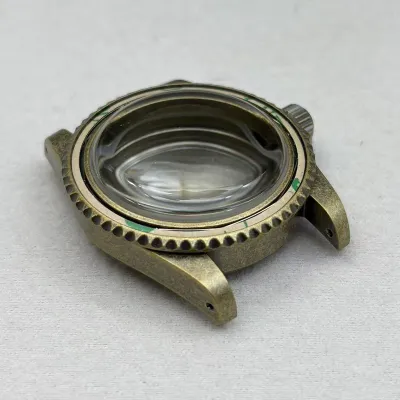
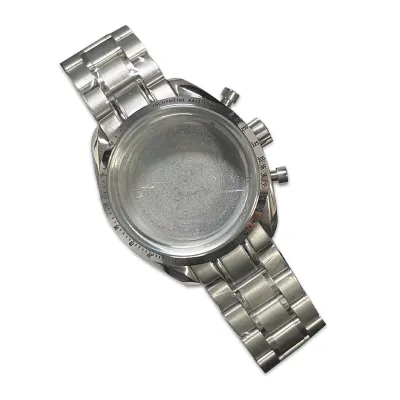
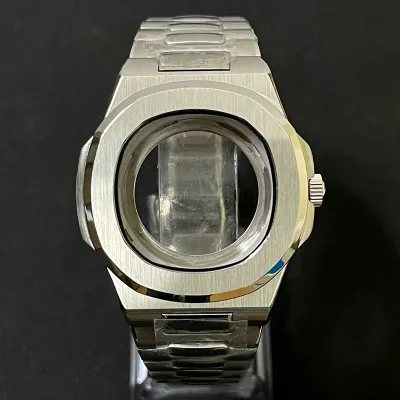
Skeleton watches work best in cases that do not compete with the movement for attention. Simple, clean case designs let the mechanism dominate. Exhibition casebacks are common, showing the rotor and bridges from behind as well.
Who It Suits
Skeleton watches suit people who enjoy watching a mechanism work and who do not need instant legibility. They are poor choices for a single daily watch, particularly for anyone who checks the time frequently in poor light.
They work well as part of a rotation, where the skeleton serves a specific mood.
Build Considerations
- Dial size: 30.8mm for NH70/71/72, not 28.5mm
- Case: must be designed for skeleton configuration
- Crystal: high clarity with AR coating
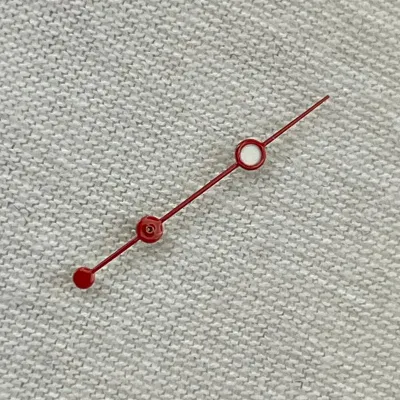
- Hands: standard NH fittings, but choose high-contrast shapes
- Finish: match the movement finish to the case tone
FAQ
Are skeleton watches hard to read?
Yes. Removing dial material reduces contrast, and the visible mechanism competes with the hands, especially in low light.
What dial size do skeleton NH movements use?
30.8mm. This is different from the 28.5mm used by NH35, NH36, NH34, and NH38.
What is an open-heart watch?
A watch with a small cutout, usually revealing the balance wheel, rather than a fully skeletonised dial.