

The Future Of Silicon Hairsprings: How The Expiring Patent Is Reshaping Watchmaking
The Hairspring: A Strategic Component
Barely one centimetre in diameter, the hairspring is the beating heart of a watch movement. For years, silicon hairsprings have been revolutionizing traditional watchmaking, borrowing technology from the semiconductor industry. Silicon presents remarkable properties that outperform those made from conventional metal alloys like Nivarox.
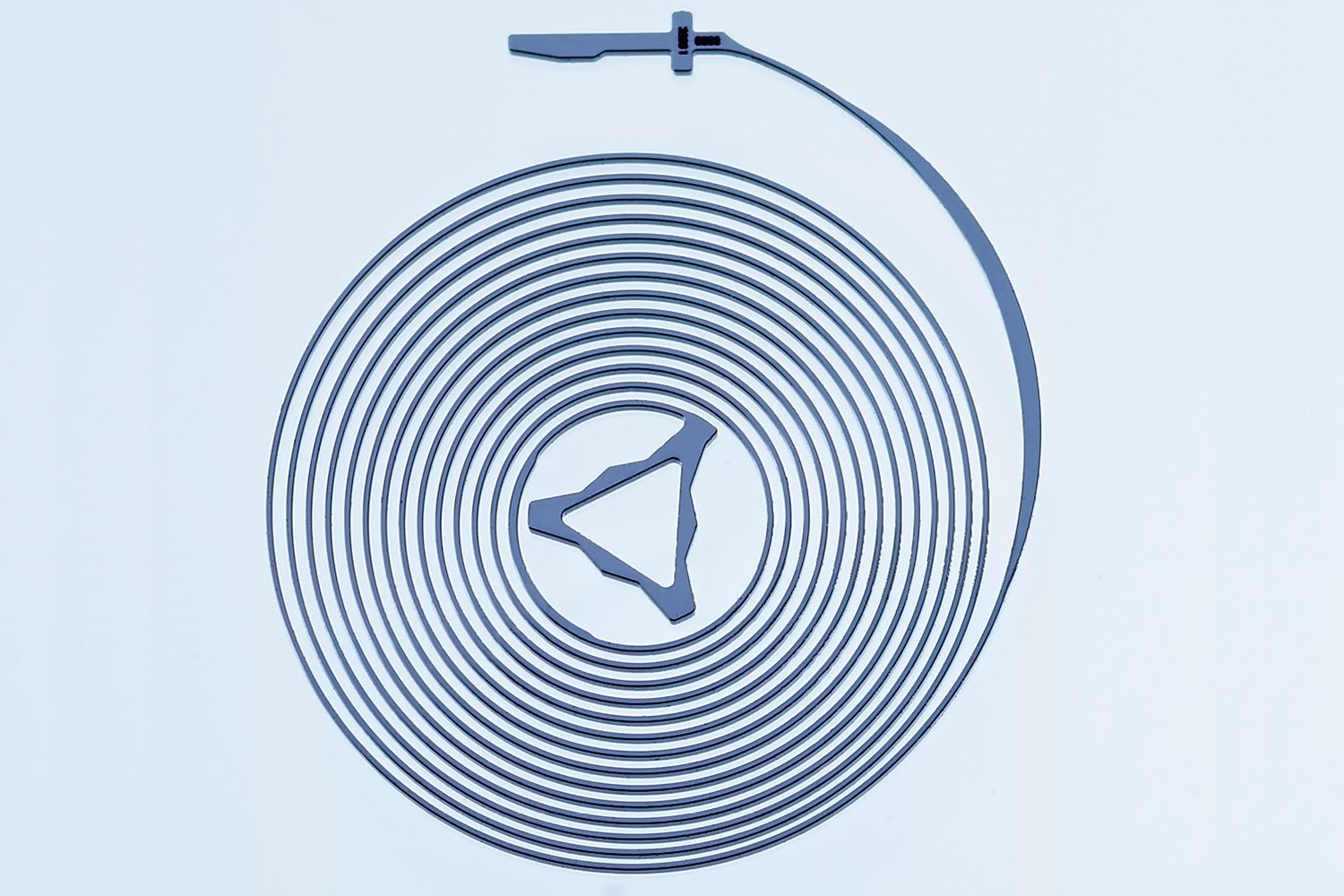
Why Silicon? Key Benefits
| Property | Silicon Advantage |
|---|---|
| Thermo-compensation | Temperature changes minimally affect performance via surface oxidation |
| Chronometry | DRIE manufacturing allows geometries impossible with metal strips |
| Magnetism Resistance | Completely non-magnetic, unlike ferromagnetic alloys |
| Durability | Light, hard-wearing, and requires no lubrication |
| Precision | Optimized isochronism without raised terminal curves |
The CSEM Consortium and the Patent
The technology allowing for ultra-accurate, thermally compensated silicon hairsprings was protected by European patent EP1422436B1, filed on November 25, 2002. This patent restricted production to the CSEM consortium members: Rolex, Patek Philippe, and the Swatch Group, with Ulysse Nardin joining via a gentleman's agreement.
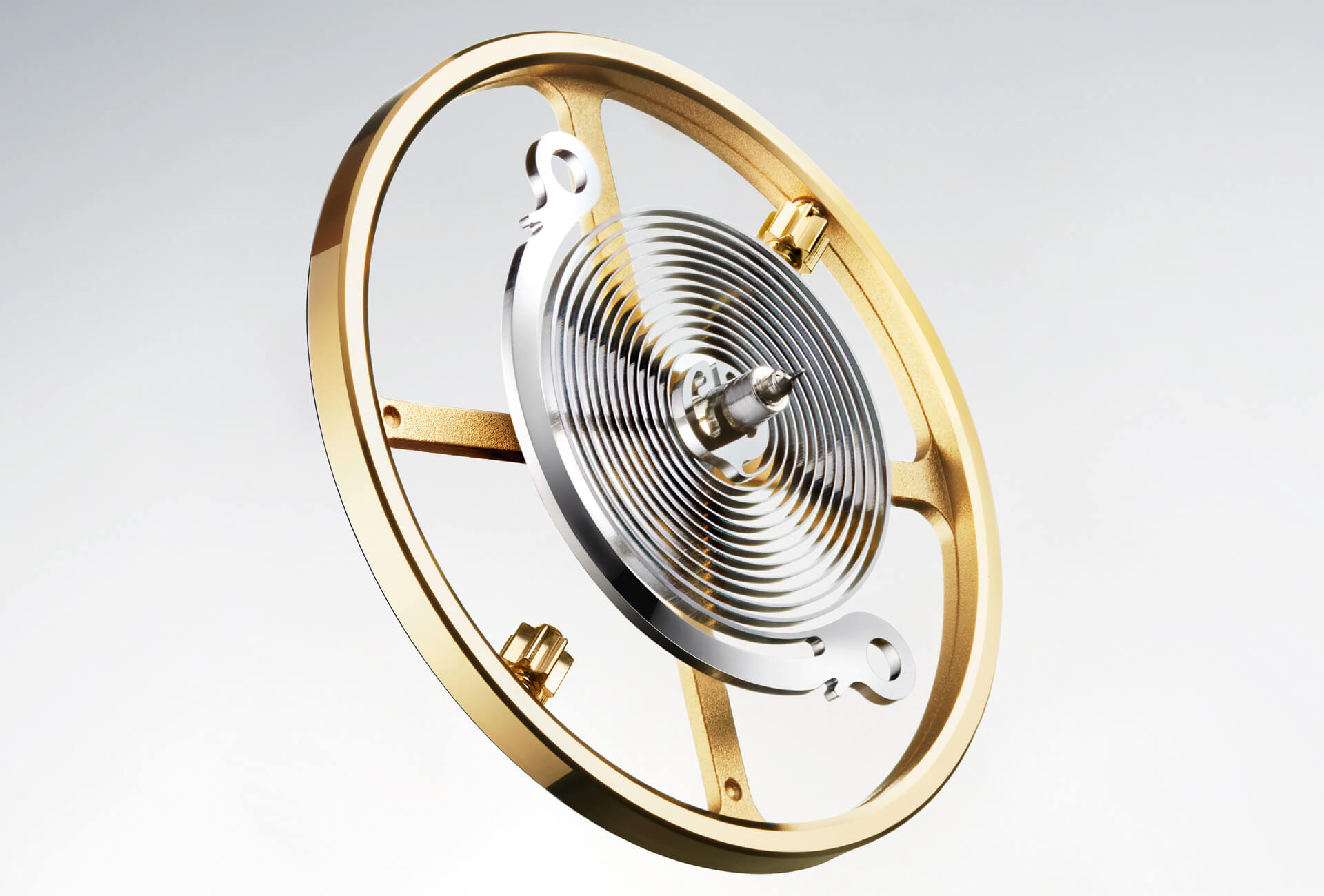
Industry Pioneers
Patek Philippe introduced its Spiromax balance spring in 2006. Swatch Group's Breguet pioneered silicon balance springs the same year. Rolex introduced the Syloxi hairspring in 2014 on calibre 2236. These brands have invested heavily in silicon technology over two decades.
Who Will Benefit From the Expiry?
With the patent now expired, the landscape is shifting. Large groups like Richemont (who previously developed Twinspir technology with Baume & Mercier) and LVMH (working on carbon composite hairsprings at TAG Heuer) are expected to accelerate silicon projects. Independent brands like Horage and German manufacturer Damasko (with their patented EPS silicon spiral) are also entering the field.
Challenges Ahead
Mastering the industrial process of silicon hairspring production and achieving maximum yield over a wafer are not small endeavors. Additional patents filed since 2002 on specific production processes, geometries, and attachment methods create a legal landscape that new entrants must navigate carefully.
Frequently Asked Questions
Can silicon hairsprings replace metal ones in existing movements?
Yes, on principle you can switch from conventional to silicon and vice versa, though this requires careful integration with the balance wheel and escapement system.
Why did it take so long for silicon to become mainstream?
The CSEM patent restricted usage to consortium members until its expiration. Additionally, mastering silicon manufacturing at scale required significant R&D investment.
Are silicon hairsprings repairable?
Traditional metal hairsprings can be re-manufactured, but silicon components require access to the original wafer production process. This remains a concern for long-term serviceability.
Sources: Monochrome Watches, aBlogtoWatch, Hodinkee
Explore our complete guide to silicon in watchmaking.