

The Rise of Mechanical Watches Among Quartz-Focused Brands
Quartz Giants Are Betting Big on Mechanical Movements
In a surprising industry shift, brands that built their empires on quartz technology are now embracing mechanical watches. Timex, Casio, Citizen, and Swatch — the pillars of affordable quartz watchmaking — are all introducing mechanical collections, responding to growing consumer demand for traditional horology.
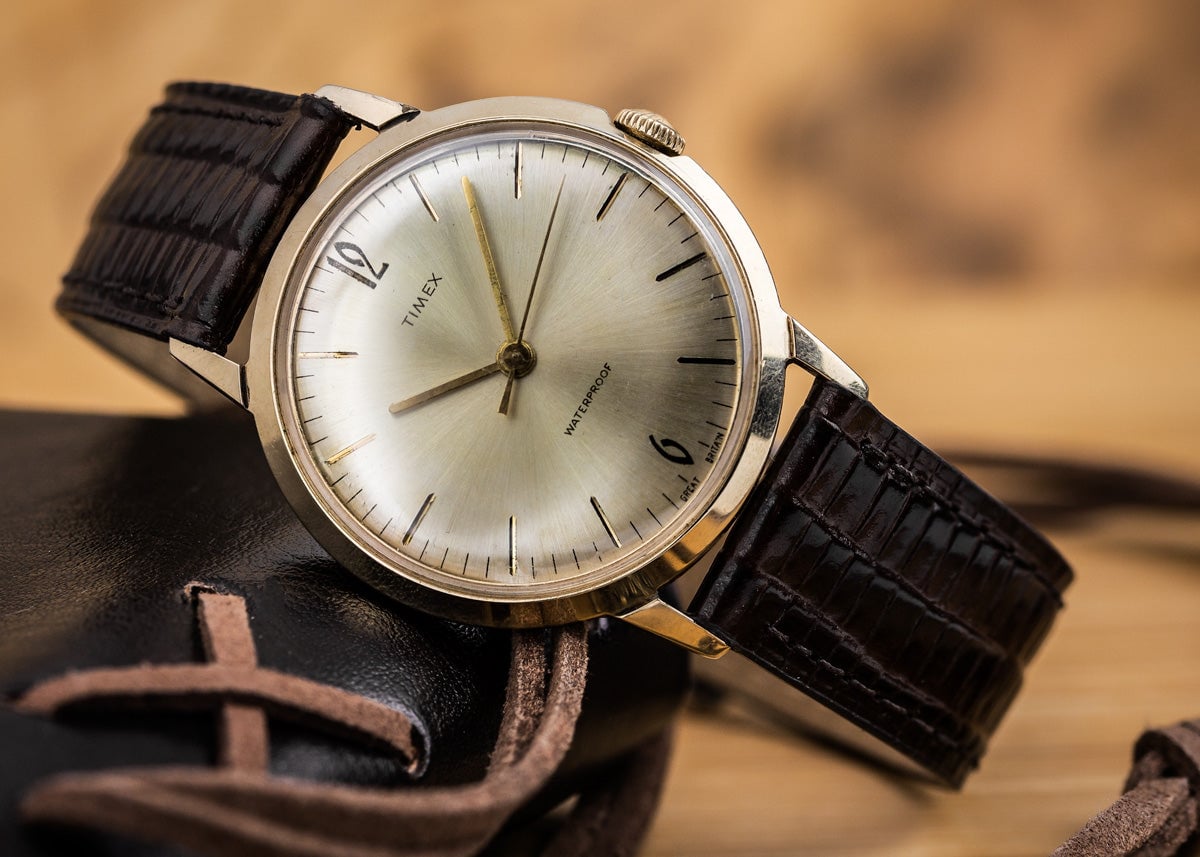
Timex: 35 Years Later, Back to Mechanical
After ceasing all mechanical watch production in 1982 to focus exclusively on quartz, Timex made a dramatic return in 2017 with the hand-wound Marlin. Priced at just $199, this reissue of a 1960s model proved that affordable mechanical watches still had a market. The collection expanded to include automatic Miyota movements, and by 2025, Timex launched the Atelier collection — featuring Swiss Landeron GMT automatics and Sellita SW200 movements at $1,450-$1,950.
Casio: From G-SHOCK to Automatic
Perhaps the most surprising entry comes from Casio, a brand synonymous with digital quartz innovation. In 2025, Casio launched the Edifice EFK-100 Automatic — its first-ever mechanical watch. Using the reliable Seiko NH35A movement, prices start at just EUR 279/USD 280. The collection includes a forged carbon model at EUR 449, undercutting the Tissot PRX forged carbon by more than half.
Swatch: The Original Quartz Savior Goes Mechanical
Swatch has the most interesting history here. Founded in 1983 specifically to save the Swiss watch industry from Japanese quartz dominance, Swatch introduced mechanical watches as early as 1997 with ETA 2842 automatics. The revolutionary Sistem51 movement, launched in 2013, was the world's first fully automated mechanical assembly — 51 parts, 90-hour power reserve, priced at just CHF 130/USD 150.
| Brand | Mechanical Return | Key Model | Starting Price |
|---|---|---|---|
| Timex | 2017 (Marlin) | Atelier GMT24 M1a | $1,450 |
| Casio | 2025 (Edifice) | EFK-100 Automatic | $280 |
| Swatch | 1997 (Irony) | Sistem51 | $150 |
| Citizen | 2021 (The Citizen) | Caliber 0200 | $6,000 |
Why the Mechanical Comeback?
The driving force is consumer demand. As industry analysis shows, younger generations are gravitating toward mechanical watches as lifestyle accessories and investment pieces. The "retro is in" trend, combined with the prestige factor of mechanical movements, has created a market that quartz-focused brands cannot ignore.
Citizen's approach is particularly strategic. While Eco-Drive technology dominates their portfolio, the brand has simultaneously developed high-end mechanical pieces through The Citizen line (powered by La Joux-Perret movements) and affordable automatics through the Tsuyosa and Promaster collections.
Quartz Isn't Going Anywhere
Despite the mechanical resurgence, quartz remains dominant in volume and practicality. The accuracy advantage is undeniable: Citizen's Caliber 0100 achieves ±1 second per year, while even the best mechanical movements struggle to match ±5 seconds per day. The future, as demonstrated by Victorinox's dual-strategy approach, lies in offering consumers choice.
FAQ
Are quartz-focused brands making good mechanical watches?
Yes. Casio's Edifice EFK-100 uses proven Seiko movements, while Timex offers Swiss-made options with Landeron and Sellita calibers. Quality has improved significantly across all brands.
Will mechanical watches replace quartz?
No. Mechanical and quartz serve different purposes. Mechanical appeals to enthusiasts and collectors, while quartz remains superior for accuracy and practicality. The market supports both.
Sources: Monochrome Watches (February 2026), aBlogtoWatch, Casio Official