

The Rise of Mechanical-Smart Hybrid Watches: A Comprehensive Industry Analysis

Where Traditional Watchmaking Meets Digital Innovation
The hybrid smartwatch category occupies a unique position in the watch industry — neither fully mechanical nor fully digital, but an ambitious attempt to combine the best of both worlds. As Worn & Wound noted in their coverage of Frederique Constant's Hybrid Manufacture launch, the real question behind hybrid watches was simply: "Why?" The answer, it turns out, involves practical horological benefits that neither purely mechanical nor purely smart watches can offer alone.
Market Landscape: Key Players and Technologies
| Brand/Company | Technology Platform | Key Innovation | Price Range |
|---|---|---|---|
| Frederique Constant | Hybrid Manufacture (FC-750) | In-house mechanical + electronic calibre analytics | $3,695 - $3,895 |
| Citizen | CZ Smart Hybrid (YF30) | MIPs display, YouQ AI platform | $295 - $425 |
| Garmin | MARQ Collection | Luxury smartwatch with traditional aesthetics | $1,500 - $2,500 |
| Fossil Group | Gen 6 Hybrid | Fashion-forward hybrid with notification display | $195 - $295 |
| TAG Heuer | Connected Modular | Modular system allowing mechanical swap | $1,650+ |
The Technology Spectrum
Hybrid smartwatches exist on a spectrum from "mostly mechanical" to "mostly digital." Understanding this spectrum helps clarify what consumers actually get:
Type 1: Mechanical Core with Electronic Overlay
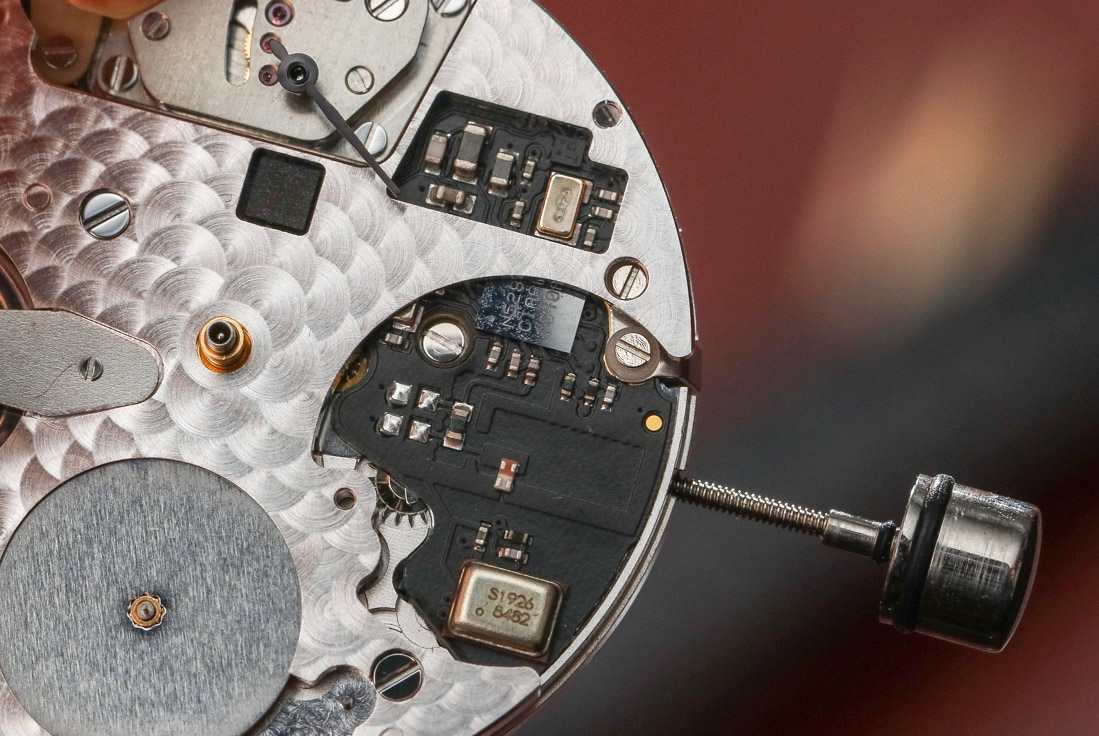
The Frederique Constant Hybrid Manufacture exemplifies this approach. A genuine Swiss automatic movement runs the timekeeping, while an electronic module sits alongside it for smart features. This preserves the soul of mechanical watchmaking while adding connectivity.
Type 2: Electronic Core with Analog Display
The Citizen CZ Smart Hybrid and most Fossil Group hybrids fall into this category. A quartz or electronic movement drives physical hands while powering smart features. The display may be purely analog or include a hidden digital screen.
Type 3: Modular Systems
The TAG Heuer Connected Modular represents the most flexible approach — a watch that can swap between a mechanical module and a smart module, effectively becoming two watches in one case.
Consumer Trends Driving the Market
Several macro trends support continued growth in the hybrid segment:
- Digital detox movement — Consumers seeking to reduce screen time while maintaining connectivity
- Watch enthusiast crossover — Traditional watch collectors curious about smart features
- Battery life expectations — Users unwilling to charge a watch daily
- Fashion-forward tech — Consumers wanting wearable technology that looks like jewelry, not a computer
- Health consciousness — Growing demand for continuous health monitoring in a discreet form factor
The Innovation Challenge
As aBlogtoWatch observed, the hybrid watch market faces a fundamental tension: integrating smart technology into a mechanical movement without compromising either's function. Frederique Constant's solution — isolating the electronic module from the mechanical movement — preserves mechanical integrity but limits integration. The electronic module cannot set the time or interact with the movement directly.
This limitation highlights the broader challenge: the more deeply you integrate smart and mechanical systems, the more complex (and expensive) the engineering becomes. Yet deeper integration also enables more compelling features.
Looking Ahead: What's Next for Hybrid Watches
The hybrid smartwatch market is likely to evolve along several fronts:
- Energy independence — Companies like MMT are developing self-charging technology using solar, thermoelectric, and RF energy harvesting
- Deeper mechanical integration — Future movements may be designed from the ground up with smart features, rather than adding electronic modules to existing calibers
- AI-powered wellness — Platforms like Citizen's YouQ suggest a future where your watch understands your patterns and proactively supports your health
- Sustainability — Eco-Drive and similar light-powered technologies could make hybrid watches environmentally superior to both purely mechanical and battery-dependent smart options
Frequently Asked Questions
Q: Are hybrid smartwatches considered "real" watches by collectors?
A: The watch community remains divided. Purists tend to dismiss them, while many enthusiasts appreciate the innovation and practical benefits. The Frederique Constant Hybrid Manufacture, with its genuine in-house mechanical movement, has earned respect from serious collectors.
Q: Which hybrid smartwatch has the best battery life?
A: Mechanical-core hybrids like the Frederique Constant offer indefinite timekeeping (mechanical movement) with 7-day battery for smart features. Electronic-core hybrids like the Citizen CZ Smart Hybrid typically offer 15-20 days.
Q: Will hybrid watches replace traditional mechanical watches?
A: Unlikely. Hybrid watches serve a different consumer need — those who want both traditional aesthetics and modern connectivity. They complement rather than replace purely mechanical watches.
According to Worn & Wound, the hybrid smartwatch represents one of the few genuinely innovative categories in modern watchmaking — a space where experimentation and consumer discovery are still happening in real time.
For more watch industry insights, explore Watch Industry Trends 2026 and The Luxury Watch Market: Complete Guide.