

Mineral Glass vs Sapphire Crystal: Which Watch Crystal is Right for You?
Understanding the Crystal on Your Wrist
When shopping for a new watch, the crystal material is one of the most important specifications to consider — yet it's often overlooked. The crystal protects your watch dial from dust, moisture, and physical damage while directly impacting legibility and aesthetics. The two most common crystal types in modern watchmaking are mineral glass and sapphire, each with distinct advantages and trade-offs that affect both price and performance.
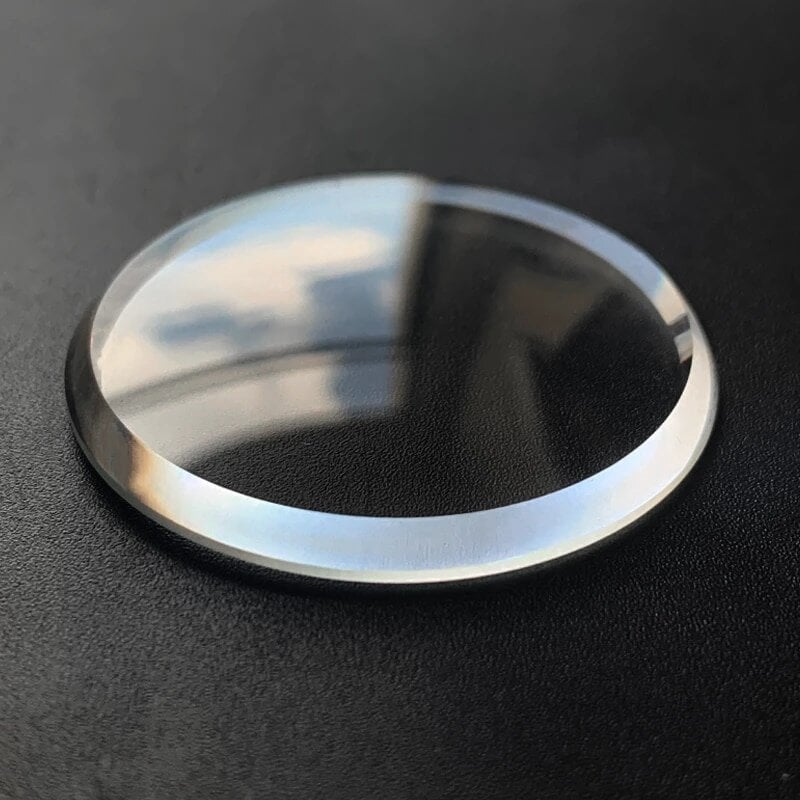
Mineral Glass: The Practical Middle Ground
Mineral glass, often referred to as K1 glass, represents the mid-range option for watch crystals. These silica-based crystals are typically tempered — heat-treated to improve scratch resistance and overall hardness. On the Mohs hardness scale, standard mineral glass registers around 5, making it superior to acrylic but significantly softer than sapphire.
Seiko's proprietary Hardlex mineral glass is chemically treated to reach up to 7 on the Mohs scale, harder than stainless steel, demonstrating that not all mineral glass variants are equal. Mineral glass naturally exhibits lower reflectivity than sapphire, meaning anti-reflective coatings are less commonly needed — reducing both cost and potential coating wear.
Sapphire: The Premium Standard
Synthetic sapphire crystal measures 9 on the Mohs scale, placing it just below diamond in terms of scratch resistance. Rolex began adopting sapphire crystals in the 1970s with the Datejust Oysterquartz, and the material has since become the industry standard for luxury watches. Unlike mineral glass, sapphire requires diamond blades for cutting and shaping, which contributes to its higher manufacturing cost.
The material's primary drawback is its high reflectivity, necessitating anti-reflective coatings applied via physical vapour deposition. These coatings, while effective, can themselves scratch and degrade over time. Additionally, sapphire is somewhat brittle — while it resists surface scratches beautifully, a significant impact can cause it to crack or shatter, just like mineral glass.
Side-by-Side Comparison
| Feature | Mineral Glass (K1) | Sapphire Crystal |
|---|---|---|
| Mohs Hardness | 5 (standard) / 7 (Hardlex) | 9 |
| Scratch Resistance | Good — can pick up scratches over time | Excellent — virtually scratch-proof in daily use |
| Shatter Resistance | Moderate — can shatter on impact | Low — can crack or shatter on hard impact |
| Reflectivity | Low — AR coating rarely needed | High — AR coating almost always applied |
| Polishable | Difficult — usually requires replacement | No — damaged crystal must be replaced |
| Cost to Replace | $10 - $50 | $50 - $500+ |
| Typical Price Range | $50 - $500 | $500 - $50,000+ |
| Optical Clarity | Good | Excellent |
When Mineral Glass Makes Sense
Mineral glass remains the preferred choice for affordable watches and certain specialty applications. Many Seiko models, including the popular Presage and Prospex lines, use Hardlex crystal to keep prices accessible while delivering respectable scratch resistance. The material is also commonly used for exhibition case backs, where the wrist provides continuous protection from direct impacts and scratches.
For everyday tool watches that may encounter rough conditions, mineral glass offers a practical advantage: replacement is inexpensive and straightforward. A scratched mineral crystal can be swapped by most watchmakers for minimal cost, making it ideal for watches that see heavy daily use.
When Sapphire is Worth the Investment
Sapphire crystal becomes increasingly justified as watch prices climb. For timepieces in the $1,000+ range, sapphire provides long-term value by maintaining pristine dial visibility for years without developing surface scratches. Dive watches from brands like Rolex and Omega rely on sapphire's hardness to maintain water resistance integrity at extreme depths — the Rolex Deepsea Challenge, rated to 11,000 meters, uses a 9.5mm sapphire crystal.
The optical clarity of sapphire also enhances dial legibility, particularly with the application of double-sided anti-reflective coatings. For dress watches and luxury pieces where aesthetic perfection matters, sapphire's crystal-clear transparency ensures the dial design is showcased without distortion or surface imperfections.
The Acrylic Alternative
It's worth noting that acrylic (also known as plexiglass or Hesalite, Omega's proprietary name) remains relevant for specific applications. NASA required acrylic for the Omega Speedmaster Moonwatch because it couldn't risk shattered glass contaminating the space capsule. Acrylic offers the unique advantage of being polishable — surface scratches can be buffed out at home with polywatch paste, making it the most forgiving crystal material for everyday wear.
Frequently Asked Questions
Q: Can I upgrade from mineral glass to sapphire on my existing watch?
A: In many cases, yes. Watchmakers can replace mineral glass crystals with sapphire alternatives, provided the correct crystal diameter and gasket specifications are available. However, this modification may affect water resistance ratings, so professional installation is recommended.
Q: Why are some luxury watches priced under $1,000 with sapphire crystal?
A: As sapphire manufacturing technology has improved, costs have decreased significantly. Microbrands and affordable luxury brands now commonly offer sapphire crystal as a standard feature, using the material as a selling point to differentiate from fashion watches with mineral or acrylic crystals.
Q: Does sapphire crystal affect the value of a vintage watch?
A: For historically significant models like the Omega Speedmaster Moonwatch, originality matters. A sapphire crystal replacement on a vintage Hesalite model could negatively impact collector value, as purists prefer original specifications. Always verify crystal material when evaluating vintage timepieces.
Explore Our Collections
Browse our sapphire crystal watches featuring premium timepieces with scratch-resistant displays. Visit our watch care guide for tips on maintaining your crystal in pristine condition.
Sources: Monochrome Watches "The ABCs of Time: All About the Different Crystals Used in Watches Today" (December 2025); aBlogtoWatch Casio Oceanus Manta Sapphire Crystal Bezels coverage (July 2023); Worn & Wound Christopher Ward C60 Sapphire review (February 2021).