

Mastering Watch Photography Lighting: Essential Tips for Stunning Timepiece Images
Why Lighting is the Most Critical Element in Watch Photography
Photographing watches is fundamentally different from shooting people or landscapes due to how timepieces react to light. Watches typically feature highly reflective surfaces including polished steel, sapphire crystals, and brushed metal, making proper lighting the single most important factor in achieving professional-quality images.
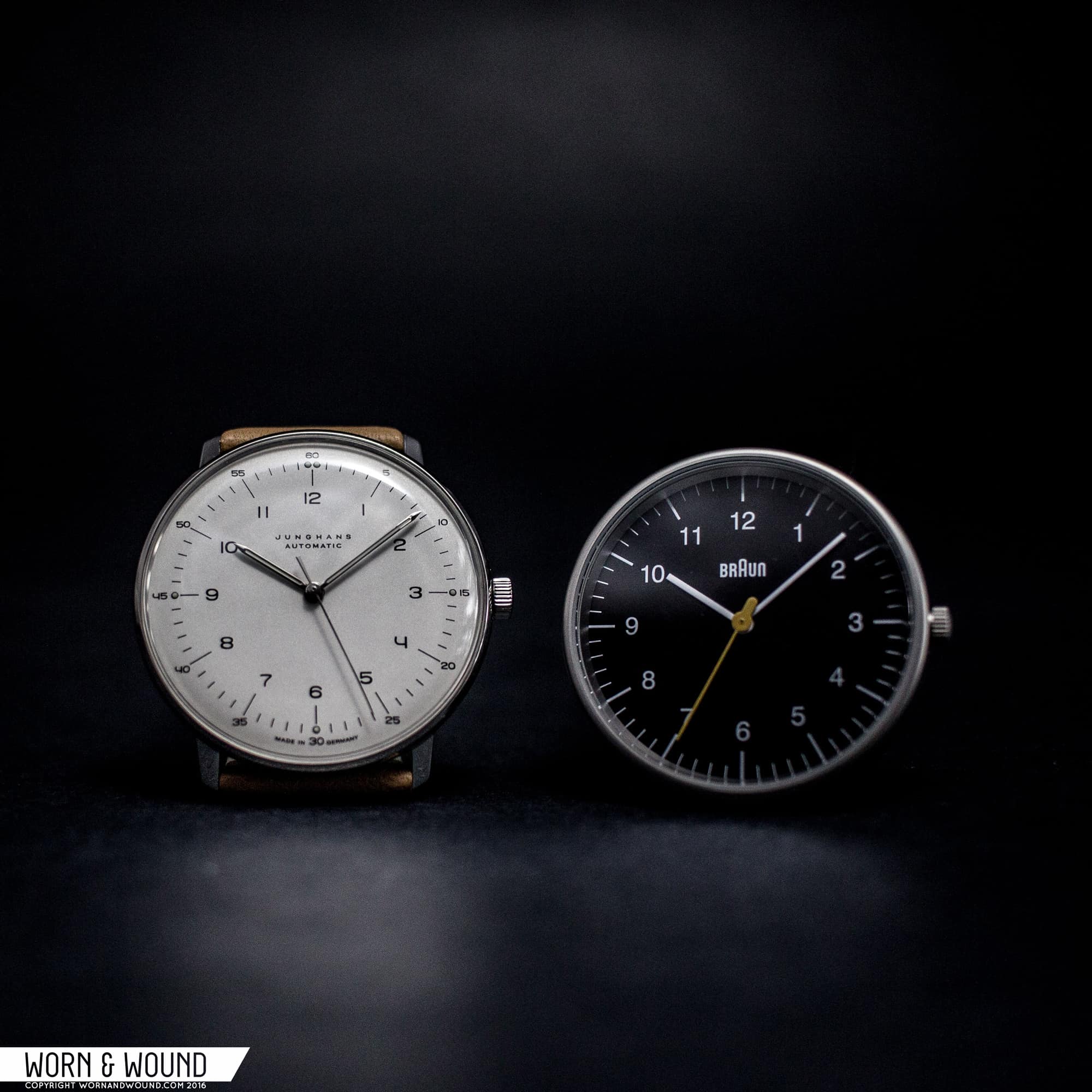
According to Hung Doan of Worn & Wound, "Lighting can be a friend or foe in your watch photography. If you over-expose, you'll get undesirable glare and blown highlights. Conversely, if you lack the necessary light, you'll likely end up with a flat, dim image."
Understanding Natural Light for Watch Photography
Natural light remains the most accessible and cost-effective lighting solution for watch enthusiasts. The key is seeking softer, more diffuse light sources such as early morning sunlight or overcast conditions. These lighting scenarios minimize harsh reflections that can obscure dial details and create unflattering hotspots on polished surfaces.
For indoor natural light photography, positioning your watch near a window allows even light distribution across the timepiece. You can enhance the natural light setup using a simple reflector—such as an aluminum-backed automotive shade or white cardboard—to bounce fill light onto shadowed areas of the watch.
Color Temperature Considerations
Different light sources produce varying color casts measured in Kelvins. Candlelight reads around 1,000K (warm/red), while clear blue sky measures approximately 10,000K (cool/blue). For watch photography, aim for neutral lighting between 5,500K-6,000K, which approximates cool daylight and provides the most accurate color representation of your timepiece.
| Light Source | Color Temperature (K) | Best For |
|---|---|---|
| Candlelight | 1,000-2,000K | Atmospheric shots (not recommended) |
| Incandescent bulb | 2,700-3,000K | Warm lifestyle shots |
| Fluorescent | 4,000-5,000K | Office environments |
| Daylight LED | 5,500-6,000K | Product photography (ideal) |
| Open shade | 7,000-8,000K | Cool-toned outdoor shots |
Artificial Lighting Solutions for Controlled Environments
For photographers seeking greater control over their watch images, artificial lighting offers consistent and repeatable results. A basic setup can cost under $40 and includes a light box, tripod, cardboard backdrops, vellum paper for diffusion, and a 5,500K LED lamp.

As documented by Monochrome Watches, photographer Niklas Englund recommends using a simple LED table lamp with white (daylight) light, paired with a diffuser made from baking paper or tracing paper mounted on a cardboard frame. This budget-friendly setup dramatically improves the quality of watch photographs.
Advanced Techniques: Off-Camera Flash and Light Bouncing
Professional watch photographers like Ariel Adams of aBlogtoWatch emphasize the importance of "light shaping" — not just having enough light, but having the right type of light and knowing how to manipulate it. Using off-camera flash systems like the Profoto C1 Plus allows photographers to position light sources independently from the camera, enabling more creative control.
The technique of bouncing light off surfaces is particularly effective for watch photography. By directing flash output toward a white wall or ceiling, the reflected light becomes softer and more diffuse when it reaches the watch, eliminating harsh reflections on polished surfaces.
The 10:10 Rule for Professional Presentation
Beyond lighting, setting watch hands at the 10:10 position creates visual symmetry and ensures the brand logo remains clearly visible. This industry-standard practice gives your photographs a more professional appearance and is recommended for all product photography.
Frequently Asked Questions
What is the best lighting setup for beginner watch photographers?
A window with natural daylight paired with a white reflector card is the most affordable and effective starting position. Place your watch near a north-facing window for soft, even illumination, and use a piece of white cardboard to bounce light into shadow areas.
How do I avoid reflections on my watch crystal?
Position your light source at approximately a 45-degree angle to the watch face rather than directly overhead. Use diffusion material between the light source and watch to soften the light. Bouncing light off walls or ceilings also reduces direct reflections on polished surfaces.
Do I need expensive equipment for good watch photos?
No. Modern smartphones combined with proper lighting techniques can produce excellent results. A $20 light box, $10 LED bulb, and $5 worth of diffusion material can dramatically improve your watch photography without significant investment.
Conclusion
Mastering lighting is the foundation of exceptional watch photography. Whether using natural daylight or artificial setups, understanding how light interacts with reflective watch surfaces will elevate your images from amateur snapshots to professional-quality photographs.
Sources: Worn & Wound - Watch Photography 101, Monochrome Watches - Smartphone Watch Photography, aBlogtoWatch - Profoto C1 Plus Guide
Related: Complete Watch Buying Guide | Watch Care & Maintenance Tips