

Kickstarter Watch Trends 2026: How Crowdfunding Reshaped the Microbrand Landscape
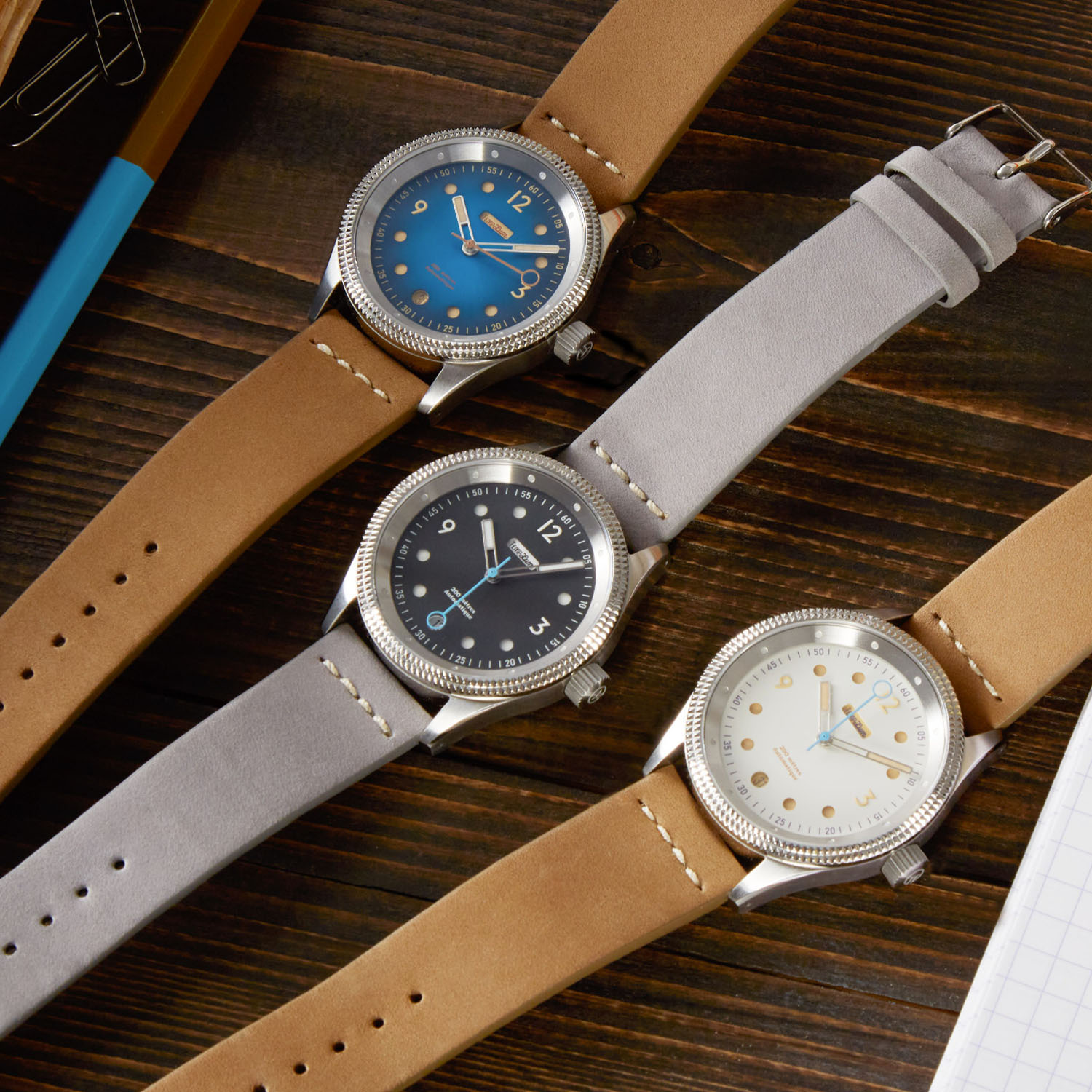
The Evolving Role of Crowdfunding in Watchmaking
Kickstarter and Indiegogo have fundamentally changed how watches reach consumers. What began as a lifeline for bootstrapped entrepreneurs has evolved into a sophisticated marketing and distribution channel used by everyone from bedroom designers to established Italian manufacturers.
The platform's influence extends beyond simple fundraising. Kickstarter has created a direct feedback loop between brands and enthusiasts, allowing real-time market validation before production commitments are made.
Key Trends Shaping Microbrand Watches in 2026
1. The Rise of the French Microbrand
France has emerged as a hotbed of microbrand activity, with companies like Baltic, Charlie Paris, and newcomer Templum establishing themselves as serious contenders. These brands differentiate themselves through:
- Assembly in France (not just design)
- French-made leather straps and accessories
- Emphasis on vintage-inspired elegance over pure tool watch utility
- Competitive pricing enabled by efficient European supply chains
2. Established Brands Testing Unconventional Designs
Perhaps the most significant shift is established brands using Kickstarter for experimental projects. D1 Milano, founded in 2013, turned to the platform for its Peter Tarka "Impossible Watch" collaboration – a design too unconventional for their regular catalog.
This approach allows brands to:
- Test market appetite without financial risk
- Create exclusivity through limited crowdfunding runs
- Build community engagement around special projects
- Access early capital for specialized manufacturing
3. Movement Diversification
The days of relying solely on ETA 2824 movements are over. Today's microbrands choose from an expanded menu of calibers:
| Movement | Origin | Power Reserve | Typical Price Tier |
|---|---|---|---|
| Miyota 9015 | Japan | 42 hours | $300-$600 |
| La Joux-Perret G100 | Switzerland | 68 hours | $800-$1,500 |
| Sellita SW200 | Switzerland | 38 hours | $500-$1,200 |
| PT5000 | China | 40 hours | $200-$500 |
| Seiko NH35 | Japan | 41 hours | $200-$400 |
4. Size Rebalancing
The pendulum has swung back toward moderate sizing. While 42-44mm cases dominated the 2015-2020 era, 2026 sees growing demand for:
- 36-38mm for dress and everyday watches (Templum Tropolis: 37mm)
- 38-40mm as the new standard for dive watches (Maen Hudson: 38mm)
- 40-42mm remaining popular for chronographs and sports watches
5. Artistic Collaborations
Watches are increasingly becoming canvases for artistic expression. Beyond the D1 Milano x Peter Tarka project, brands are partnering with:
- Digital artists for unique dial designs
- Automotive designers for case shaping
- Illustrators for limited edition graphics
- Enamel artisans for traditional crafts
Success Rates and What Backers Want
According to industry analysis, certain categories consistently outperform on crowdfunding platforms:
| Category | Average Success Rate | Average Funds Raised |
|---|---|---|
| Vintage-Inspired Divers | 85% | $75,000-$150,000 |
| Minimalist Dress Watches | 78% | $50,000-$100,000 |
| Artistic/Limited Editions | 72% | $40,000-$80,000 |
| Military/Pilot Watches | 80% | $60,000-$120,000 |
| Integrated Bracelet Sports | 75% | $80,000-$160,000 |
Challenges Facing Microbrand Watchmakers
Despite successes, the microbrand space faces ongoing challenges:
- Movement availability: Swiss movement manufacturers prioritize larger brands, leaving microbrands dependent on Japanese alternatives or Chinese calibers
- Quality control: Without established infrastructure, inconsistencies can damage brand reputation
- Market saturation: With thousands of microbrands competing for attention, differentiation is crucial
- Fulfillment logistics: Kickstarter campaigns often underestimate shipping complexities, leading to delayed deliveries
The Future of Watch Crowdfunding
Looking ahead, several developments may reshape the landscape:
- Platform consolidation: Fewer, higher-quality campaigns rather than volume
- Hybrid models: Brands using Kickstarter for pre-orders rather than pure crowdfunding
- Global supply chain adaptation: Regional manufacturing hubs reducing dependency on Swiss movements
- Technology integration: Smart features complementing mechanical movements
Frequently Asked Questions
Is it safe to back a watch on Kickstarter?
Backing established brands with proven track records (like D1 Milano, Maen, or Baltic) carries less risk than backing unknown creators. Always research the brand's history, previous deliveries, and customer reviews before committing funds. Never invest money you cannot afford to lose.
How long does it typically take to receive a Kickstarter watch?
Delivery timelines vary widely, but most successful watch campaigns deliver within 6-12 months of funding completion. Delays are common due to manufacturing complexities, so treat estimated delivery dates as targets rather than guarantees.
Are microbrand watches good investments?
Most microbrand watches are not significant financial investments – they're designed to be worn and enjoyed. However, certain limited editions from established microbrands (Baltic, Studio Underd0g, Kurono Tokyo) can appreciate on the secondary market, particularly if demand exceeds supply.
Sources: Worn & Wound, Monochrome Watches, aBlogtoWatch
Browse Kickstarter Watch Campaigns | Complete Microbrand Guide