

How to Choose the Right Watch Crystal: Complete Buyer's Guide for 2026
Making the Right Crystal Choice for Your Watch
Selecting a watch involves countless decisions — movement type, case size, dial color, bracelet style. Yet one specification often receives less attention than it deserves: the crystal material. The crystal is the window through which you interact with your timepiece daily, and choosing the right one can significantly impact your long-term satisfaction. This guide breaks down the practical considerations for each crystal type to help you make an informed decision.
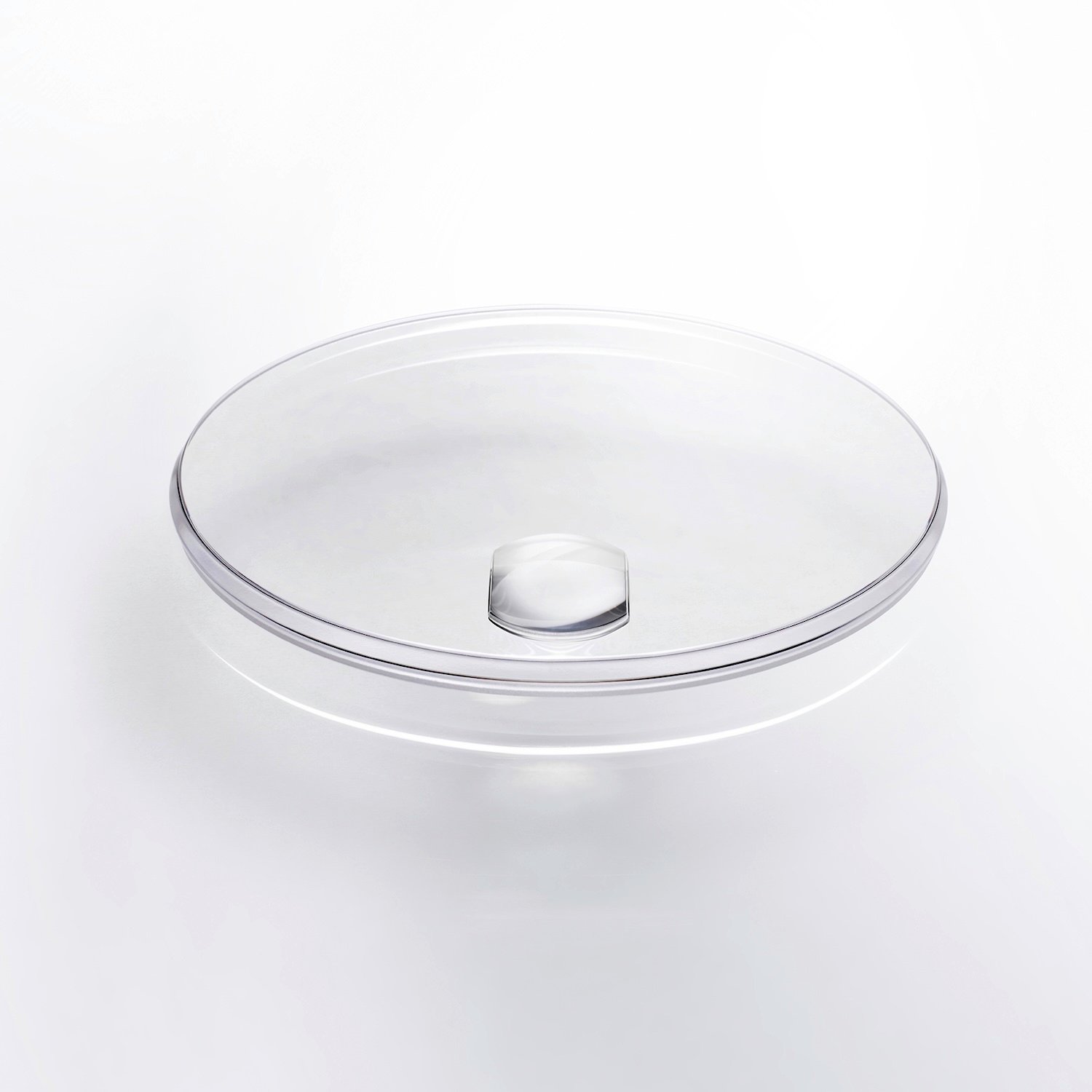
Crystal Selection by Lifestyle
The best crystal for your watch depends largely on how you'll use it. Consider these lifestyle-based recommendations:
Office and dress watches: Sapphire crystal is ideal for watches that see primarily indoor wear. The scratch resistance maintains a pristine appearance, and the optical clarity showcases intricate dial work. For dress watches in the $500-$2,000 range, sapphire with anti-reflective coating provides the best combination of durability and legibility.
Outdoor and adventure watches: If your watch accompanies you on hikes, camping trips, or construction sites, mineral glass may be more practical. While less scratch-resistant than sapphire, mineral glass is more affordable to replace if damaged. Brands like Casio and Marathon use mineral glass specifically for this reason in their tool watch lines.
Vintage-inspired pieces: Acrylic crystals offer warm, vintage aesthetics that sapphire cannot perfectly replicate. If you're buying a heritage reissue or a field watch with retro styling, acrylic preserves the authentic look and feel. The ability to polish out minor scratches is a practical bonus for daily wear.
Budget Considerations
Crystal material significantly impacts watch pricing. Understanding where your money goes helps optimize your purchase:
| Budget Range | Recommended Crystal | What to Expect |
|---|---|---|
| Under $200 | Mineral glass or acrylic | Acceptable scratch resistance, may need replacement after years of wear |
| $200 - $500 | Sapphire crystal (if available) | Good entry-level sapphire, basic AR coating |
| $500 - $1,500 | Sapphire standard | Quality sapphire with AR coating, scratch-resistant for daily use |
| $1,500 - $5,000 | Sapphire with double-sided AR | Premium clarity, domed or box-shaped options available |
| $5,000+ | Sapphire with sapphire case back | Full visibility, exhibition movements, superior finishing |
Understanding Anti-Reflective Coatings
AR coating significantly affects sapphire crystal performance. Single-sided AR (applied to the inner surface) reduces reflections while protecting the coating from external wear. Double-sided AR provides maximum clarity but means the outer coating may scratch over time, potentially requiring professional re-coating during service.
For watches worn primarily in office environments, double-sided AR offers superior legibility under fluorescent lighting. For outdoor use, single-sided AR may be more practical as the outer surface remains uncoated and more resistant to wear. Some collectors deliberately choose watches without AR coating to avoid the maintenance considerations.
Crystal Shape and Aesthetics
Modern manufacturing allows sapphire crystals in various shapes that affect both appearance and function:
Flat crystals: The most common and affordable sapphire shape. Provides clean, undistorted dial viewing and allows for thinner case profiles. Standard in most watches from $300 upward.
Domed crystals: Classic curved shape that creates subtle dial distortion at angles, evoking vintage aesthetics. More expensive to produce and often paired with vintage-inspired designs. The distortion can enhance visual depth on sunburst dials.
Box-shaped crystals: Tall, flat-topped crystals that rise above the case, reminiscent of 1960s-70s watch design. These require more material and precise machining, adding to manufacturing costs but creating distinctive visual character.
When to Consider Upgrading
If you own a watch with mineral glass or acrylic crystal, upgrading to sapphire may be worthwhile in certain scenarios:
When the crystal develops visible scratches that affect legibility — particularly on dress watches where appearance matters most. When the watch represents a long-term investment you plan to keep for decades. When you wear the watch daily in environments with potential scratch hazards like keys, tools, or rough surfaces.
Professional crystal replacement typically costs $50-$200 for mineral-to-sapphire upgrades, depending on the watch brand and crystal specifications. Consult your watchmaker about compatibility before proceeding, as case gaskets and water resistance may be affected by crystal changes.
Brand-Specific Considerations
Different brands approach crystal materials with varying philosophies:
Seiko uses Hardlex mineral glass across many lines but offers sapphire in higher-tier models. Omega provides both Hesalite and sapphire options for the Speedmaster, with different price points and collector implications. Rolex equips all modern models with sapphire crystal as standard. Tudor recently upgraded many collections to sapphire, reflecting the brand's positioning as a premium alternative.
Always verify crystal specifications when comparing watches from different brands, as the same price point may feature different crystal materials depending on the manufacturer's priorities.
Frequently Asked Questions
Q: Does a sapphire crystal watch need more maintenance than mineral glass?
A: No — sapphire crystal actually requires less maintenance than mineral glass. While mineral glass can develop scratches that may attempt to polish, sapphire maintains its surface indefinitely under normal conditions. The primary maintenance consideration for sapphire is AR coating condition, which some collectors monitor during regular service intervals.
Q: Can I tell if a watch has sapphire crystal without documentation?
A: The "water drop test" provides a rough indication: a drop of water spreads on mineral glass but beads on sapphire due to surface tension differences. However, this test isn't definitive. Checking the manufacturer's specifications is the most reliable method for confirming crystal material.
Q: Is it worth paying more for double-sided AR coating?
A: For watches used primarily indoors or in controlled lighting, double-sided AR provides noticeable legibility improvements. For outdoor use or watches that see rough handling, single-sided AR offers better long-term durability since the outer surface remains uncoated. The value depends on your typical usage environment.
Find Your Perfect Watch
Explore our complete watch buying guide for more expert advice on selecting your next timepiece. Browse our detailed crystal types guide for deeper technical information.
Sources: Monochrome Watches "The ABCs of Time: All About the Different Crystals Used in Watches Today" (December 2025); Fratello Watches sapphire crystal coverage; Worn & Wound Christopher Ward C60 Sapphire review (February 2021); aBlogtoWatch Crystal materials guide (2023).