
Miyota, Seiko, Seagull: How Asian Movements Are Reshaping the Watch Industry
Miyota vs. Swiss Movements: The Rise of Asian Alternatives in Modern Watchmaking
For decades, the Swiss watch industry has been synonymous with quality mechanical movements. However, a seismic shift is underway as brands increasingly turn to Asian manufacturers like Miyota, Seiko, and Seagull to power their timepieces. This trend represents not just a cost-saving measure, but a fundamental reevaluation of what constitutes quality in horology.
The Swiss Dominance Under Pressure
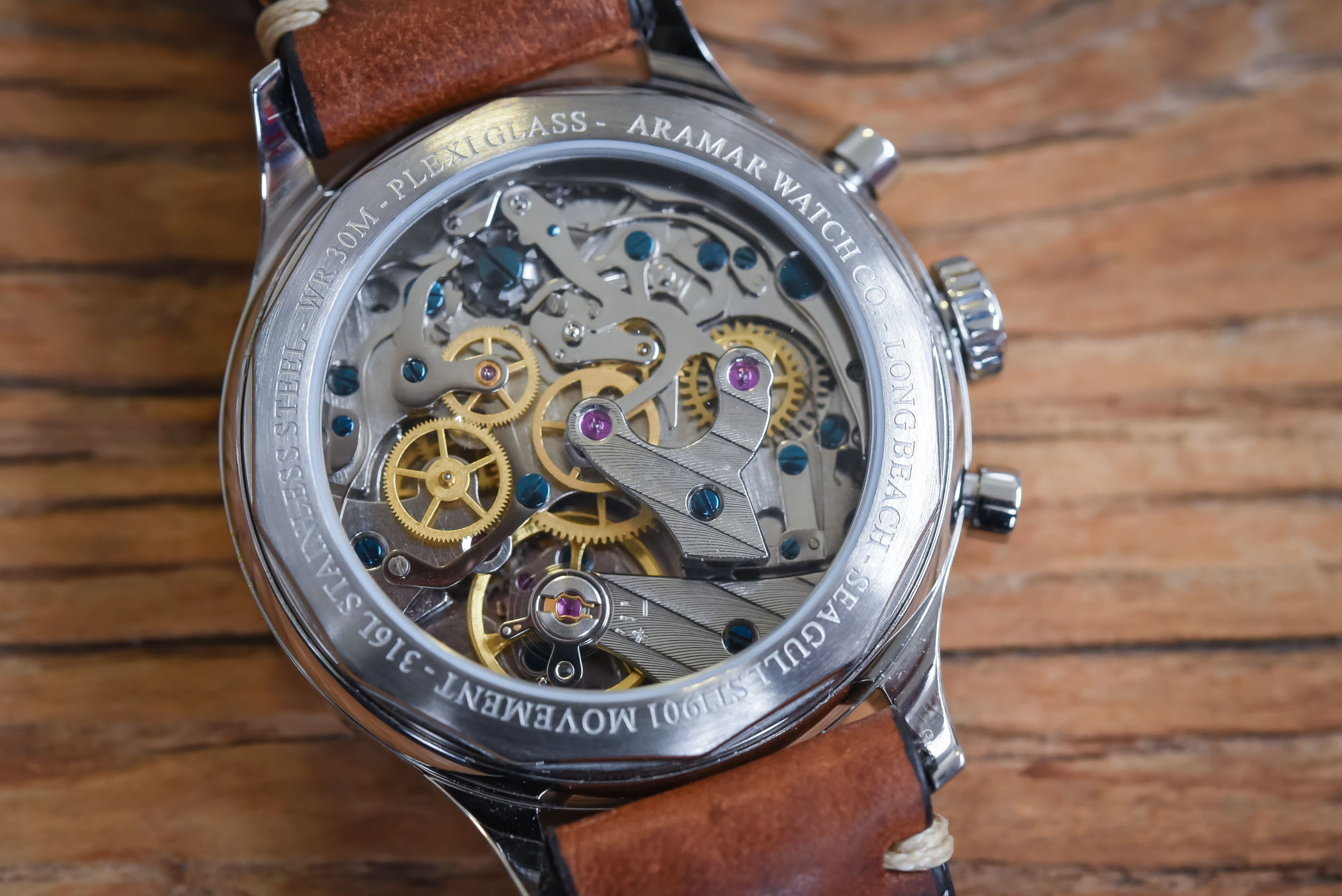
According to Monochrome Watches' comprehensive analysis, the traditional Swiss movement duopoly of ETA and Sellita has faced increasing challenges. ETA's parent company, The Swatch Group, announced plans to restrict movement supplies to competitors, prompting brands to seek alternatives. This strategic move inadvertently opened the door for Asian manufacturers to capture significant market share.
Miyota: The Japanese Powerhouse
Miyota, a subsidiary of Citizen Watch Co., has emerged as the leading alternative to Swiss movements. The company's portfolio includes several popular calibres that have become industry standards:
| Movement | Year Introduced | Key Features |
|---|---|---|
| 8215 | 1977 | Most widespread automatic workhorse, 21 jewels, 40-hour power reserve |
| 9015 | 2009 | Premium 9000-series, hand-winding, hacking seconds, 42-hour reserve |
| 9075 | 2021 | True GMT complication, first affordable traveller's GMT |
| 9132 | - | Power reserve and 24-hour time complications |
Cost-Performance Ratio
The primary advantage of Miyota movements lies in their exceptional value proposition. A watch equipped with a Miyota 9015 can retail for significantly less than an equivalent model with an ETA 2824, while offering comparable performance and reliability.

For example, the Martenero Edgemere Reserve, featuring a Miyota 9132 with power reserve and 24-hour complications, retails for approximately $695. A comparable Swiss-powered watch with similar complications would typically cost considerably more.
Technical Advantages
Miyota movements offer several technical benefits that appeal to both manufacturers and consumers:
- Availability: Consistent supply without the restrictions affecting ETA movements
- Serviceability: Simple, robust designs that any competent watchmaker can maintain
- Innovation: Proprietary technologies like Parashock shock protection and AO-Oil lubricants
- Full In-House Production: From mainsprings to hairsprings, every component is manufactured in-house
The Swiss Response
The rise of Asian alternatives has prompted Swiss manufacturers to innovate and improve their offerings. Sellita has expanded its production capabilities, while ETA has introduced new calibres to maintain its market position. This competition has ultimately benefited consumers through better products and more competitive pricing.
Quality Perception vs. Reality
According to industry experts, the perception that "Swiss Made" automatically equals superior quality is increasingly outdated. While Swiss movements certainly have their merits, modern Asian alternatives like Miyota offer comparable performance at lower price points.
As Monochrome Watches notes, "Miyota, Seiko and Seagull allow the industry to expand well beyond what would be possible if Swiss suppliers like ETA and Sellita were the only players in town."
FAQ
Are Miyota movements as reliable as Swiss movements?
Yes, Miyota movements have established excellent reputations for reliability. Their simple, robust designs and industrial-scale quality control ensure consistent performance across millions of units.
Can watches with Miyota movements be considered "luxury"?
Luxury is defined by more than just the movement. Design, materials, craftsmanship, and brand heritage all contribute to a watch's luxury status. Many respected brands use Miyota movements in their luxury offerings.
How do service costs compare?
Miyota movements are generally less expensive to service than their Swiss counterparts, thanks to simpler designs and more affordable parts availability.
Conclusion
The rise of Miyota and other Asian movement manufacturers represents a healthy evolution in the watchmaking industry. By providing reliable, affordable alternatives to Swiss movements, they have democratized mechanical watchmaking and forced established players to innovate. For consumers, this means more choices, better value, and ultimately, better watches.
Learn more about watch value in our comprehensive watch buying guide or explore the history of watch movements.
Source: According to Monochrome Watches industry analysis (December 2018, updated 2026)