
The Art of Dress Watch Design: Why Simplicity is the Ultimate Sophistication

Why Dress Watches Deserve More Recognition
In a market dominated by dive watches and chronographs, dress watches often fly under the radar. Yet as Mike Razak argues in a recent article on aBlogtoWatch, creating a great dress watch is actually more difficult than designing a tool watch. The simplicity that defines these timepieces leaves every design element exposed to scrutiny.
According to Razak, dress watches were essentially all collectors had to choose from for decades, from the introduction of the Santos in 1912 through the late 1960s when tool watches began their ascent. Today, microbrands around 2015 almost never launched with dress watches, but that has changed with brands like Baltic, Dennison, Jack Mason, and Lorier now offering compelling options.
The Challenge of Minimalist Design
The article makes a compelling case that dress watches are more impressive feats of design than tool watches. With fewer elements to play with, every curve, facet, index, and texture becomes crucial to building the watch's character. There is nowhere to hide design flaws or shortcuts.
| Design Element | Why It Matters |
|---|---|
| Case Curves | Must catch light elegantly without appearing bulky |
| Dial Texture | Must add visual interest without overwhelming |
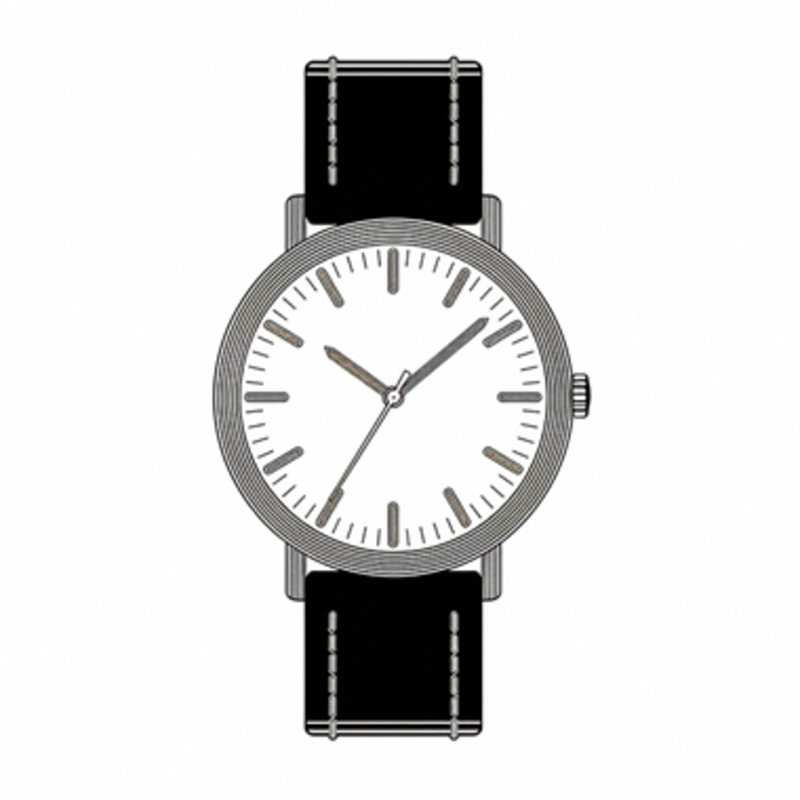
| Hands | Must be readable while maintaining elegance |
| Lug Design | Must integrate seamlessly with straps |
| Overall Proportions | Must feel balanced on various wrist sizes |
Modern Dress Watch Renaissance
The past decade has seen a remarkable resurgence in dress watch design. Brands are recognizing that many collectors desire watches that can transition from boardroom to dinner without missing a beat. This shift represents a maturation of the watch market, moving away from the "bigger is better" mentality that dominated the 2000s and early 2010s.
Independent watchmakers are particularly leading this charge, offering dress watches with exceptional finishing and movements at prices that rival mass-produced sport watches. The result is a golden age for dress watch enthusiasts, with more options than ever before.
What to Look For in a Dress Watch
- Finishing Quality: Look for Geneva stripes, perlage, and hand-beveled edges
- Movement: Hand-wound movements are traditional, but automatic works fine
- Case Profile: Slim cases (under 10mm) slip under shirt cuffs easily
- Dial Design: Clean layouts with applied indices often look more premium
- Crystal: Sapphire with anti-reflective coating is standard
Frequently Asked Questions
Q: Are dress watches coming back in style?
A: Yes, dress watches are experiencing a significant renaissance. After years of oversized sport watches dominating the market, collectors are rediscovering the elegance and versatility of well-designed dress watches.
Q: What makes a dress watch different from a regular watch?
A: Dress watches prioritize elegance and proportion over durability and functionality. They typically feature thinner cases, simpler dials, and precious metal construction compared to tool watches.
Source: aBlogtoWatch - Wait A Minute! In Admiration Of Dress Watch Design
Discover more about watch design in our watch design history guide or explore our luxury watch brand directory.